High performance media control for Kaskade and Addison Rae at Coachella 2026
Advanced media server performance and flexible workflows power dynamic live visuals at festival scale.
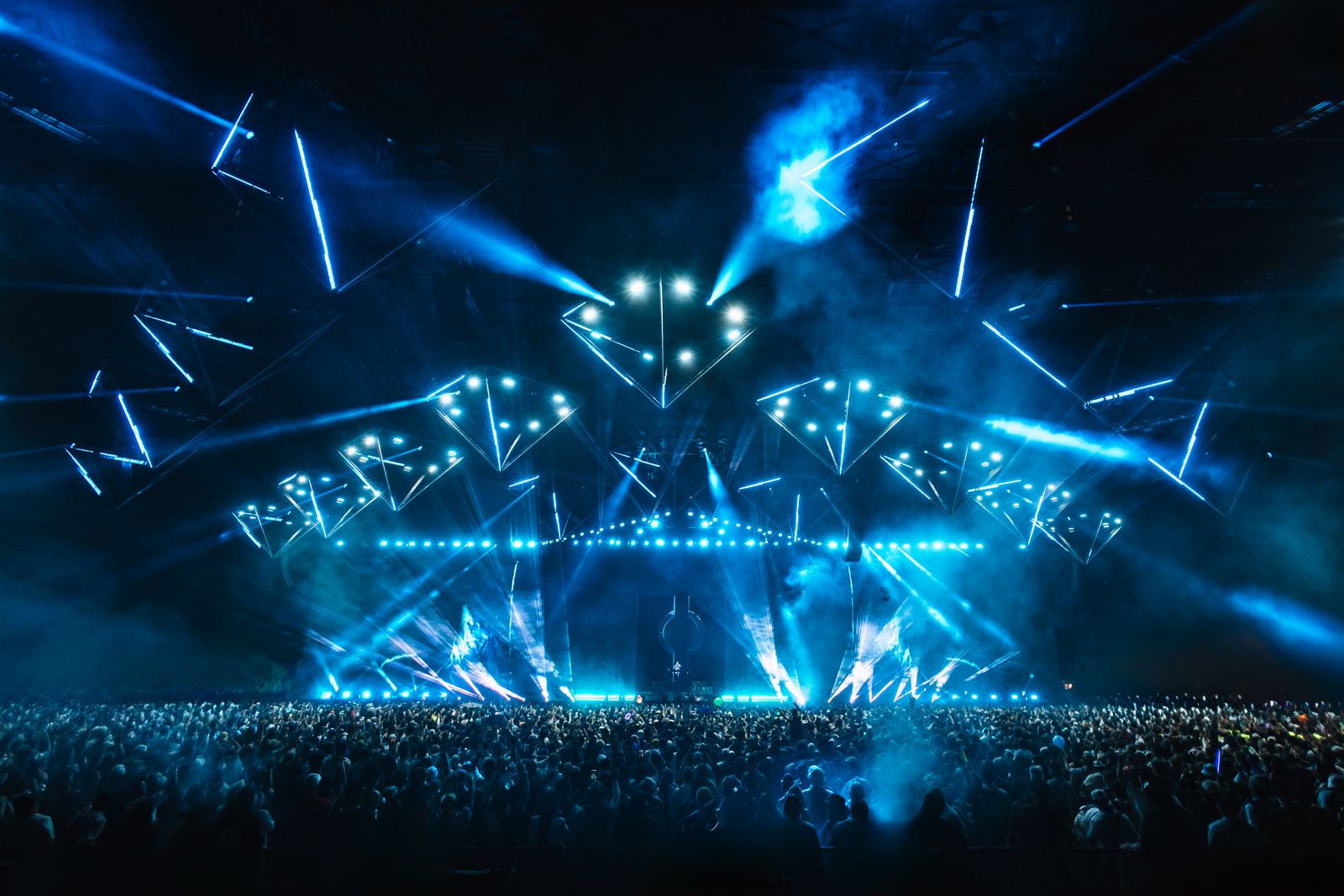

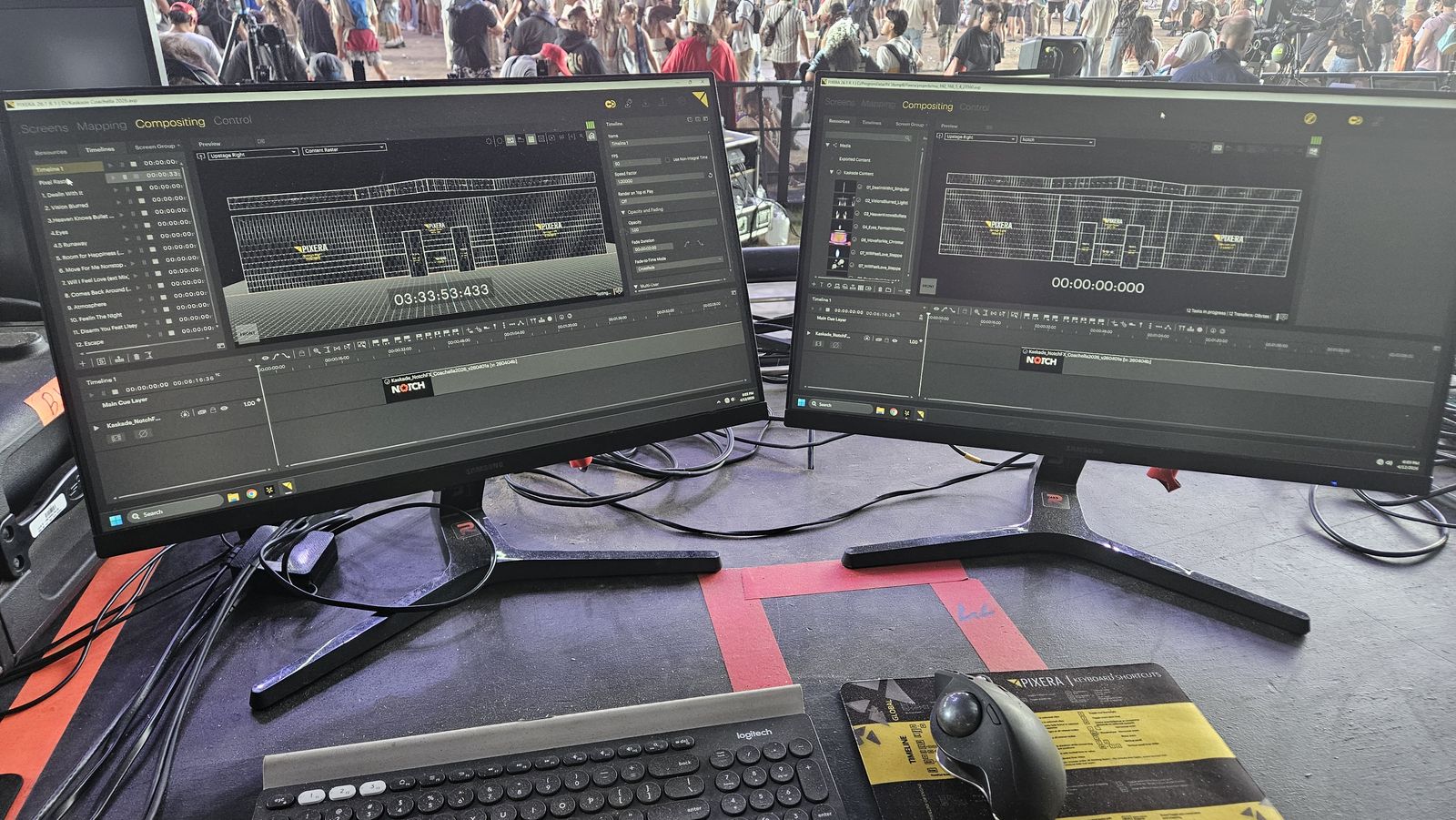
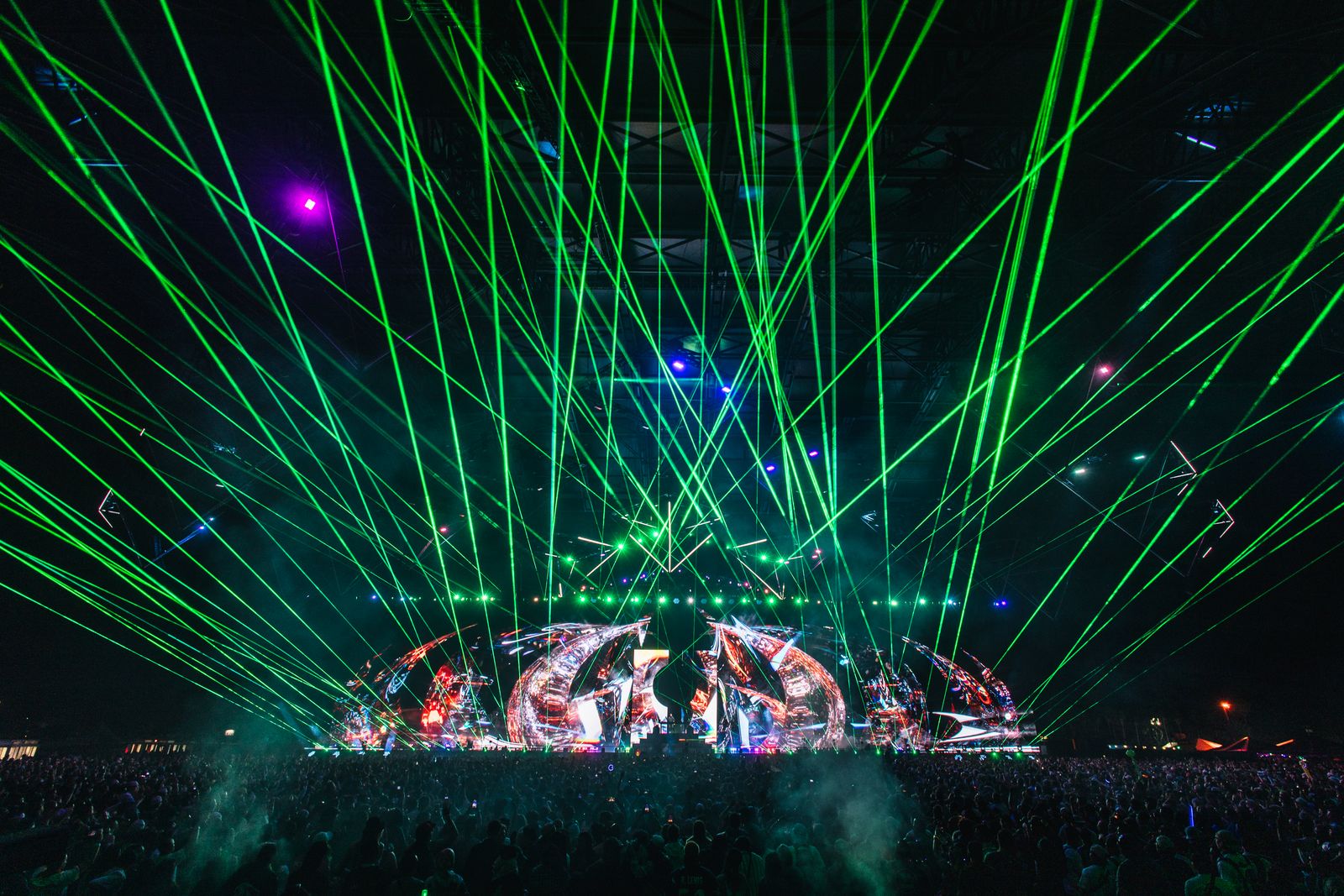
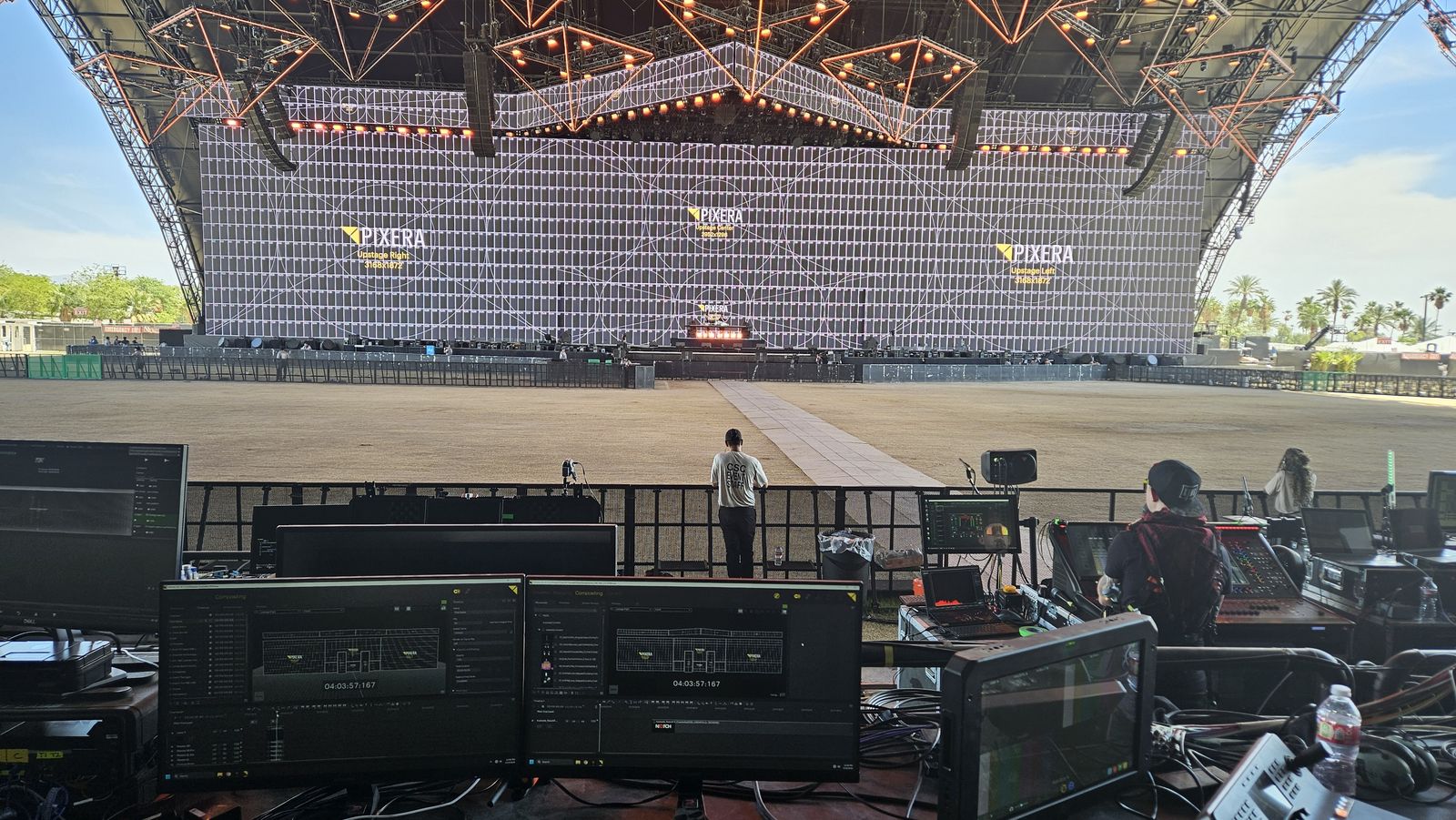

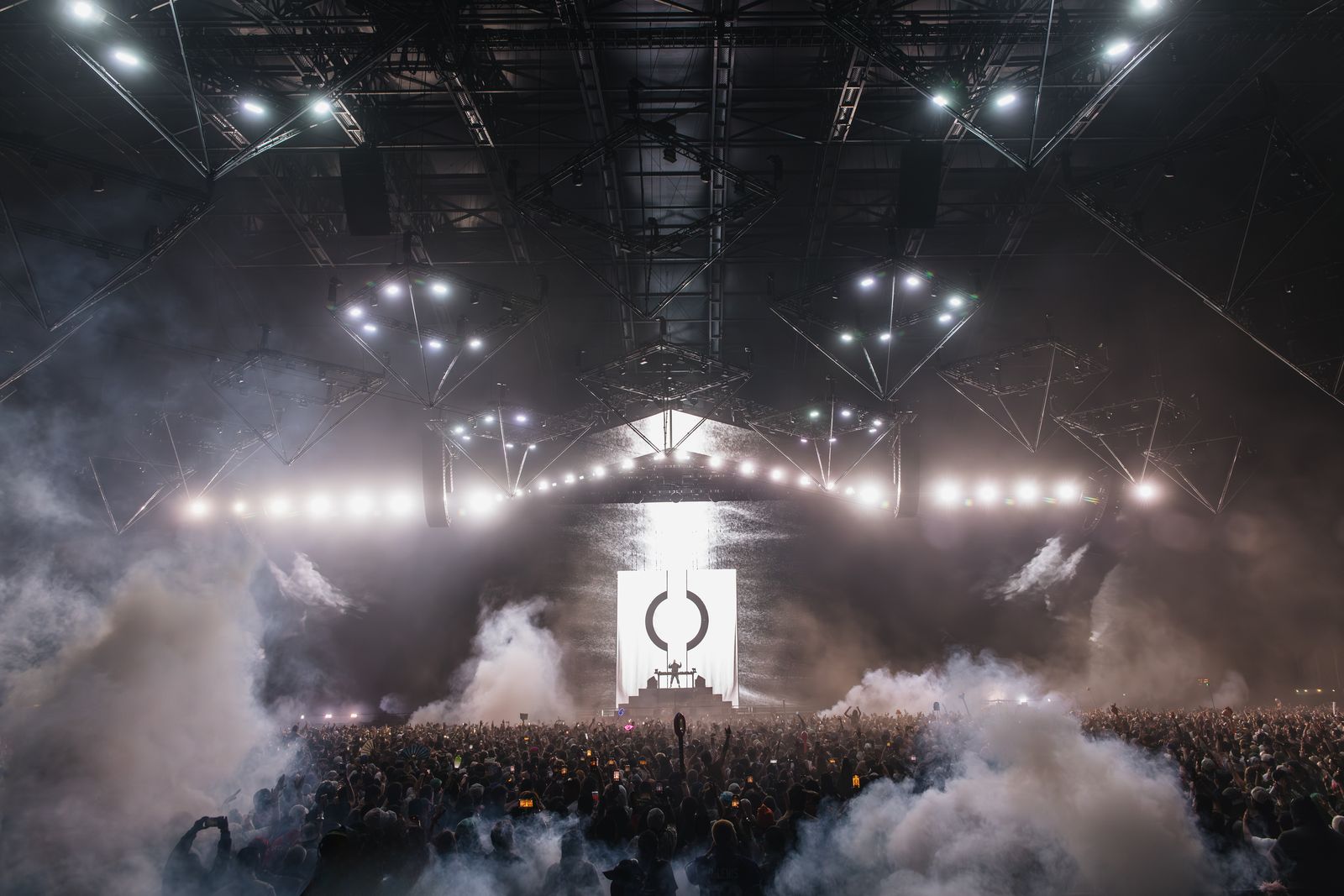
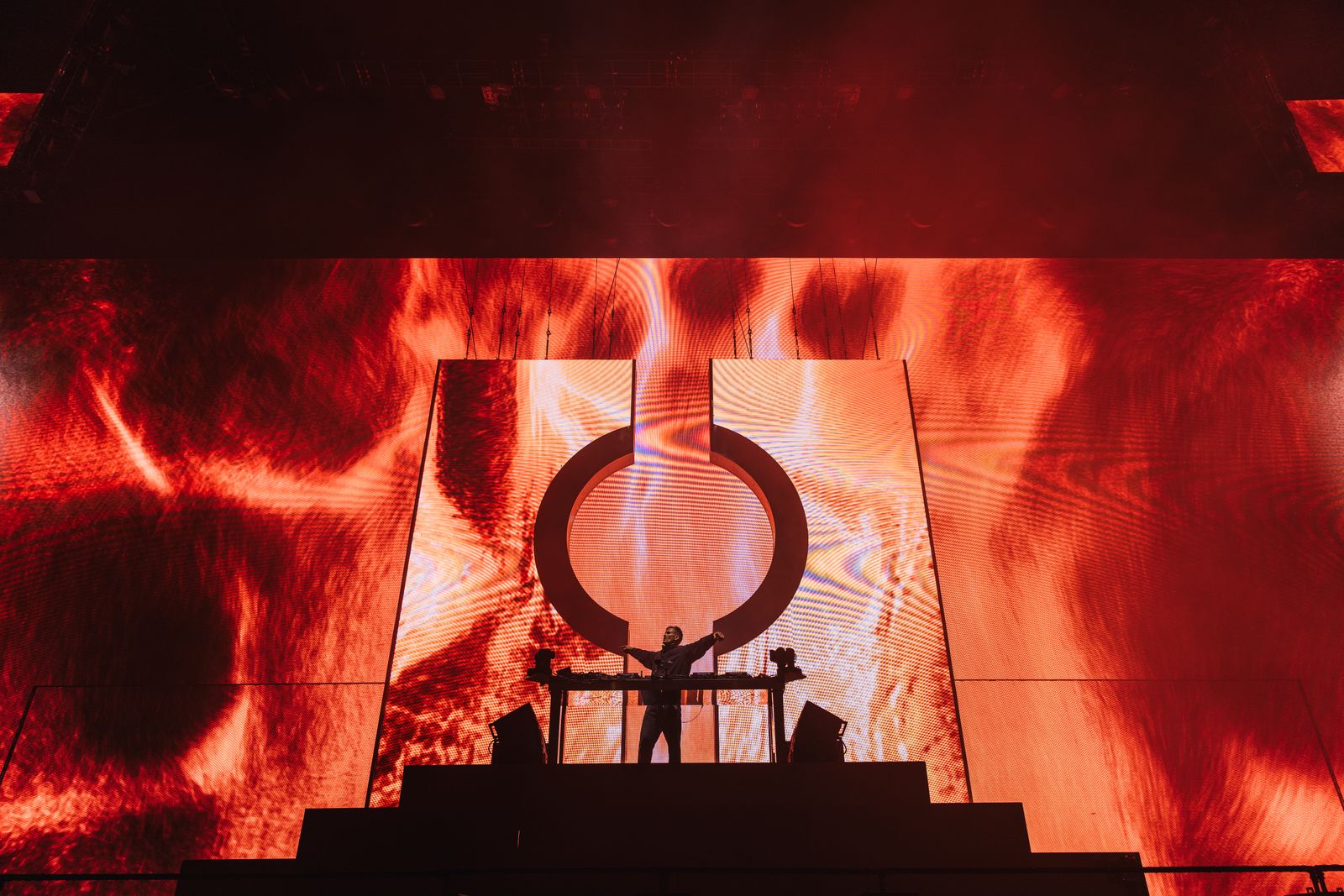

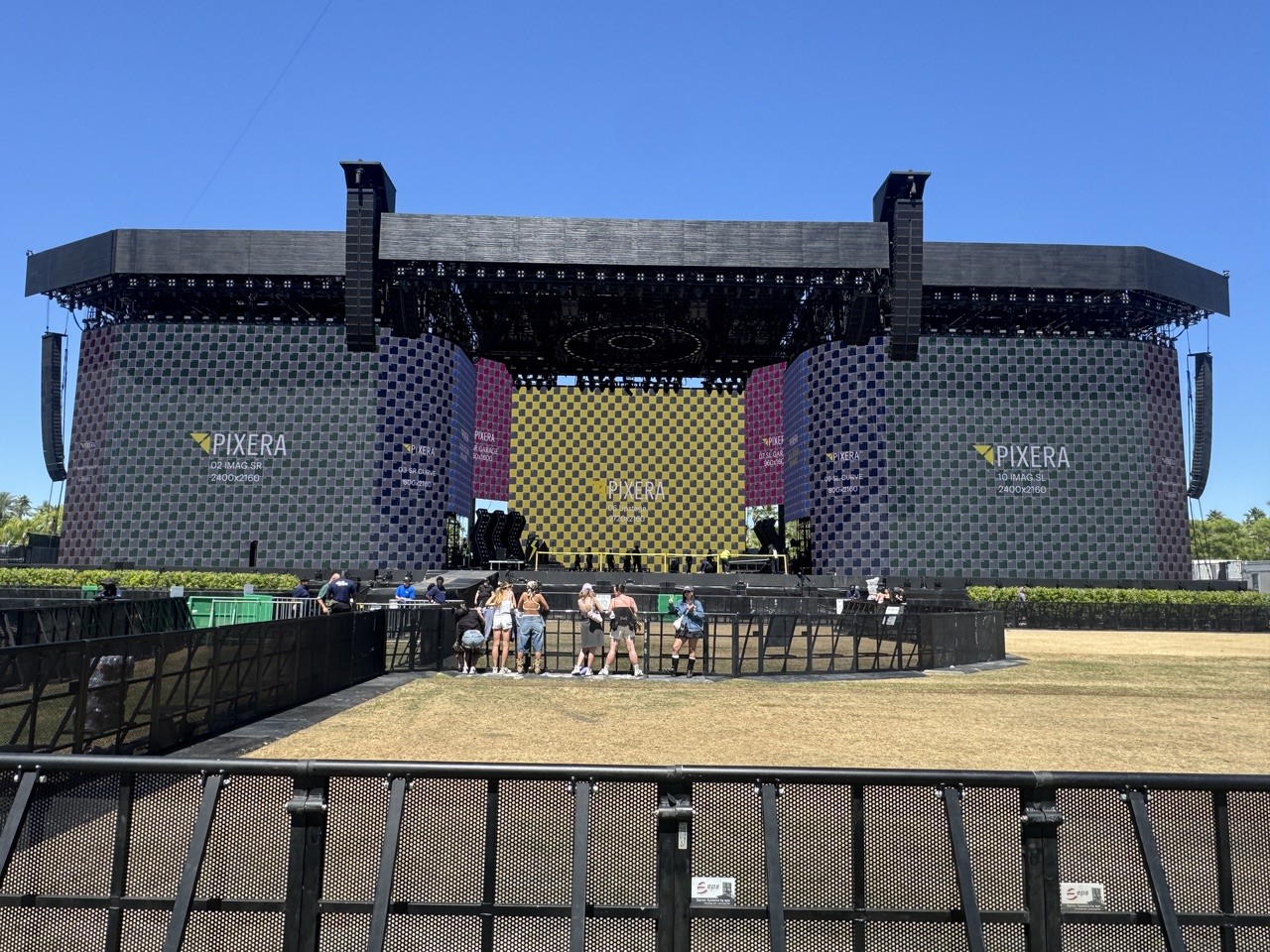

Coachella continues to set the benchmark for large scale live visuals, where creative ambition and technical execution are pushed under real festival conditions. For this year’s edition, PIXERA was deployed across two very different productions in collaboration with Rogue Productions and COUR Design for Kaskade’s Sahara Stage performance and Sketch Lab Designs and COUR Design for Addison Rae’s Main Stage appearance. While the creative approaches differed significantly, both projects shared the same core requirements: reliable high resolution playback, flexible workflows and seamless integration into complex show systems.
Kaskade’s return to the Sahara Stage brought a one hour, high energy DJ set built around progressive and melodic house, featuring live tempo shifts and guest moments throughout the performance. From a technical perspective, Rogue Productions was brought in by COUR Design to develop and execute a system that could handle both the scale and the dynamic nature of the show. The result was a custom PIXERA setup built on two custom media servers running PIXERA with 4 output licenses in a main and backup configuration, driving a 77.4 by 13 meter LED canvas at a resolution of 9288 by 1872 pixels. The scale alone was demanding, but the real challenge came from the content structure. A 22 layer Notch block, effectively one layer per song, had to run in full raster alongside additional prerendered full frame content layered on top. To achieve stable playback without frame drops, the team integrated NVIDIA RTX PRO6000 Blackwell GPUs into the system, unlocking the processing headroom required for this level of real time rendering.
In parallel, four 12G SDI camera feeds were integrated into the PIXERA system to blend live inputs with generative content in real time. One of the defining technical requirements was the ability to follow variable speed timecode, as Kaskade actively adjusts tempo throughout his set. PIXERA’s pitched timecode feature, introduced in version 26.1, made it possible to maintain accurate synchronization despite these changes, ensuring consistent timing across all visual layers. The surrounding infrastructure included a Kramer 4K HDMI matrix for backup routing, Netgear AV line switches and a Dante based SMPTE timecode workflow, resulting in a robust and redundant system design aligned with touring and festival standards.
Efficient workflows for Main Stage production
On the Main Stage, the production for Addison Rae followed a different priority: speed, clarity and efficiency in programming and operation. Sketch Lab Designs deployed two PIXERA RS Gen2 servers running PIXERA 26.1 to output 3 x 4k, for a wall that was 14,080 x 2160 pixels, with cleanly structured system split between stage and FOH. The stage rack handled all input and output processing, including OpenGear infrastructure and signal routing, while a compact FOH fly rack with KVM control and a 10G fiber link allowed for remote operation. This separation kept signal paths efficient while maintaining full control flexibility.
PIXERA’s timeline-based workflow played a central role in enabling Sketch Lab Designs to program the show efficiently. High resolution content could be processed quickly, while multiple 12G inputs allowed seamless integration of camera signals where required. The built-in previsualization tools proved especially valuable given the curved LED surfaces of the Main Stage, allowing the team to accurately simulate content placement and reduce the need for adjustments during on site setup.
Control was implemented using Companion with Stream Deck Studio alongside a MIDI fader bank, creating a hybrid control environment that supported both structured cueing and manual intervention for elements such as blackouts or camera overrides. The use of ArtNet Timecode was important to push the signal across the network rather than relying on a copper audio signal at both ends of the Multicore. Close collaboration with the PIXERA support team during rehearsals and show days helped streamline processes and resolve open points quickly. In a festival environment where time is limited and expectations are high, this level of support adds a tangible layer of security.
Across both productions, the differences in creative direction are obvious, yet the underlying technical expectations remain the same. For Rogue Productions and COUR Design, PIXERA enabled a performance driven setup capable of handling high resolution Notch workflows and complex timecode behavior. For Sketch Lab Designs, it provided a streamlined, reliable environment for fast paced programming and live operation on one of the largest stages at the festival. In both cases, PIXERA delivered the combination of performance, flexibility and control required to execute at Coachella level.