AV Stumpfl PIXERA maps a 175-megapixel canvas onto an 1896 market hall floor in Prague's Signal Space
Virtuality.one used PIXERA’s clustering to drive 19 projectors at 3,840 by 2,400 in 10-bit 4:4:4 as a single canvas, and its warping tools to finish a calibration that automated camera systems could not complete.
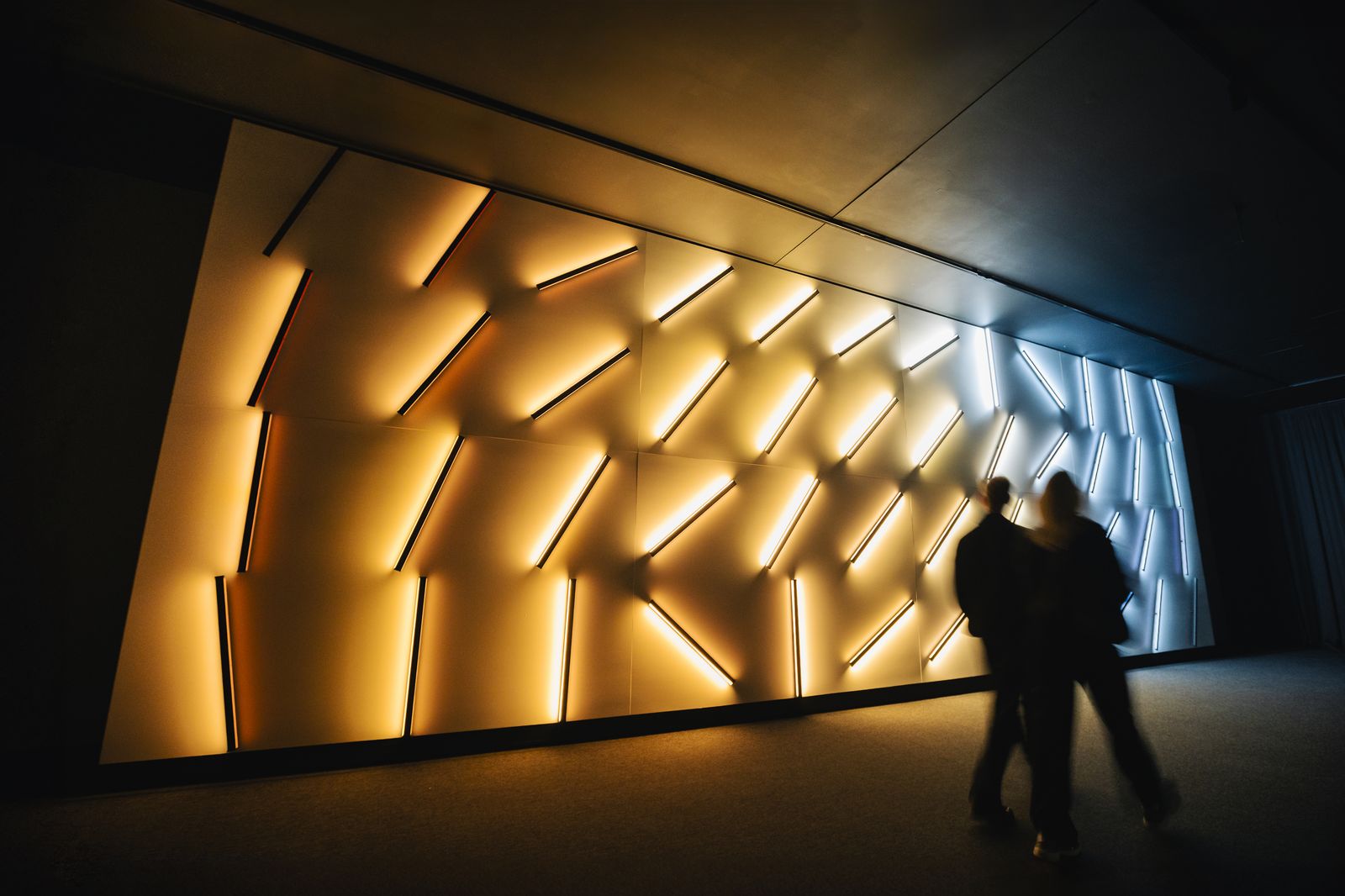
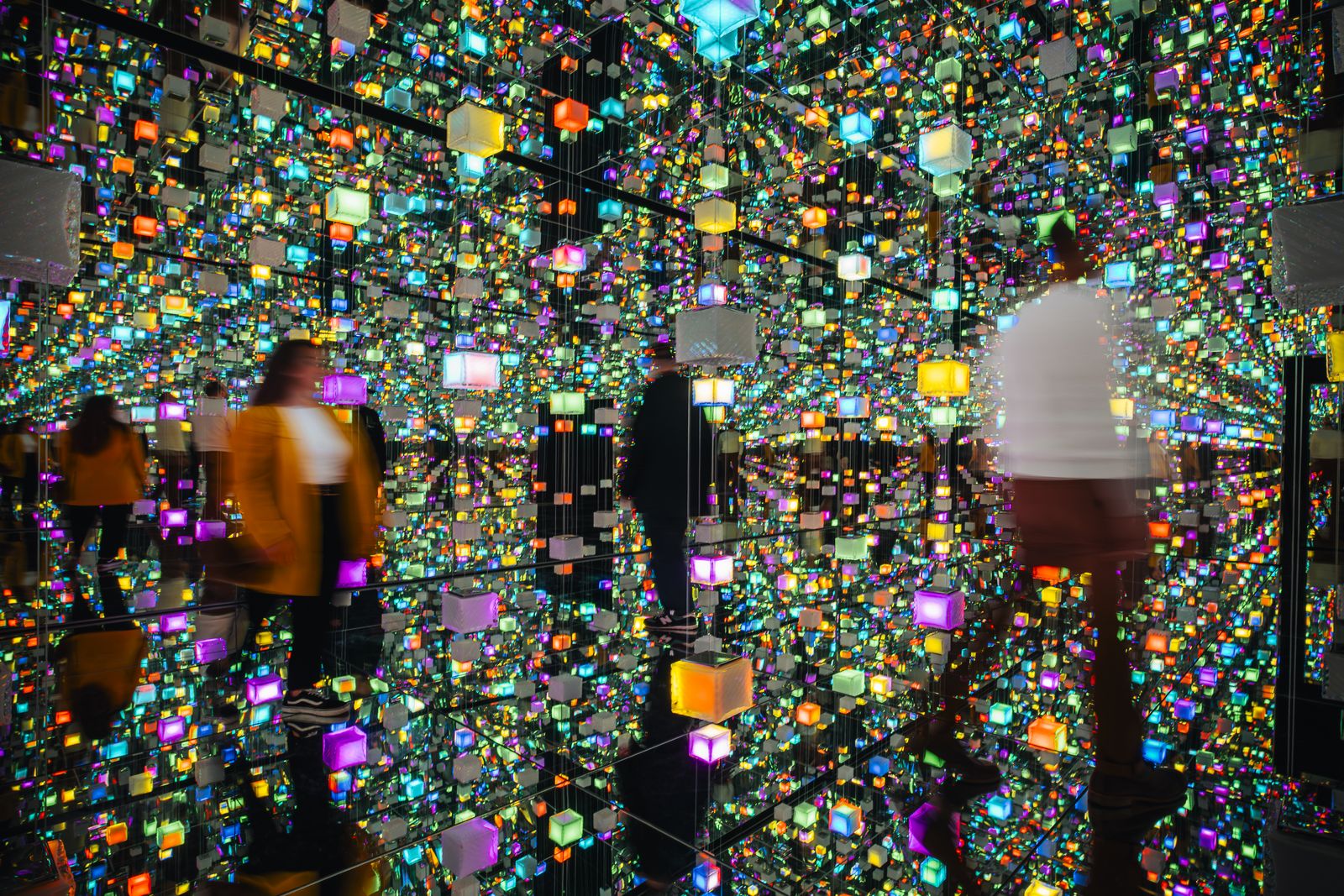
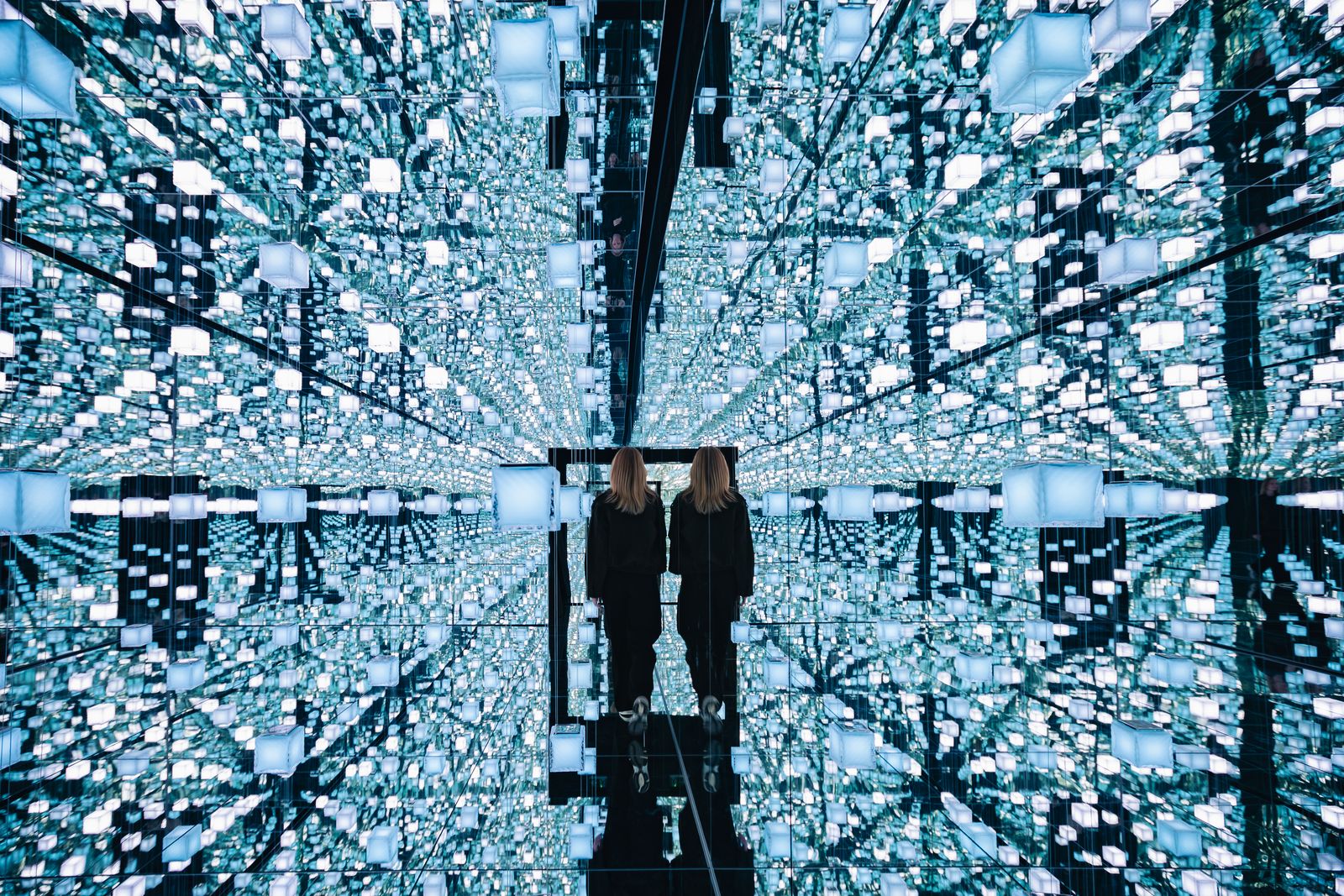
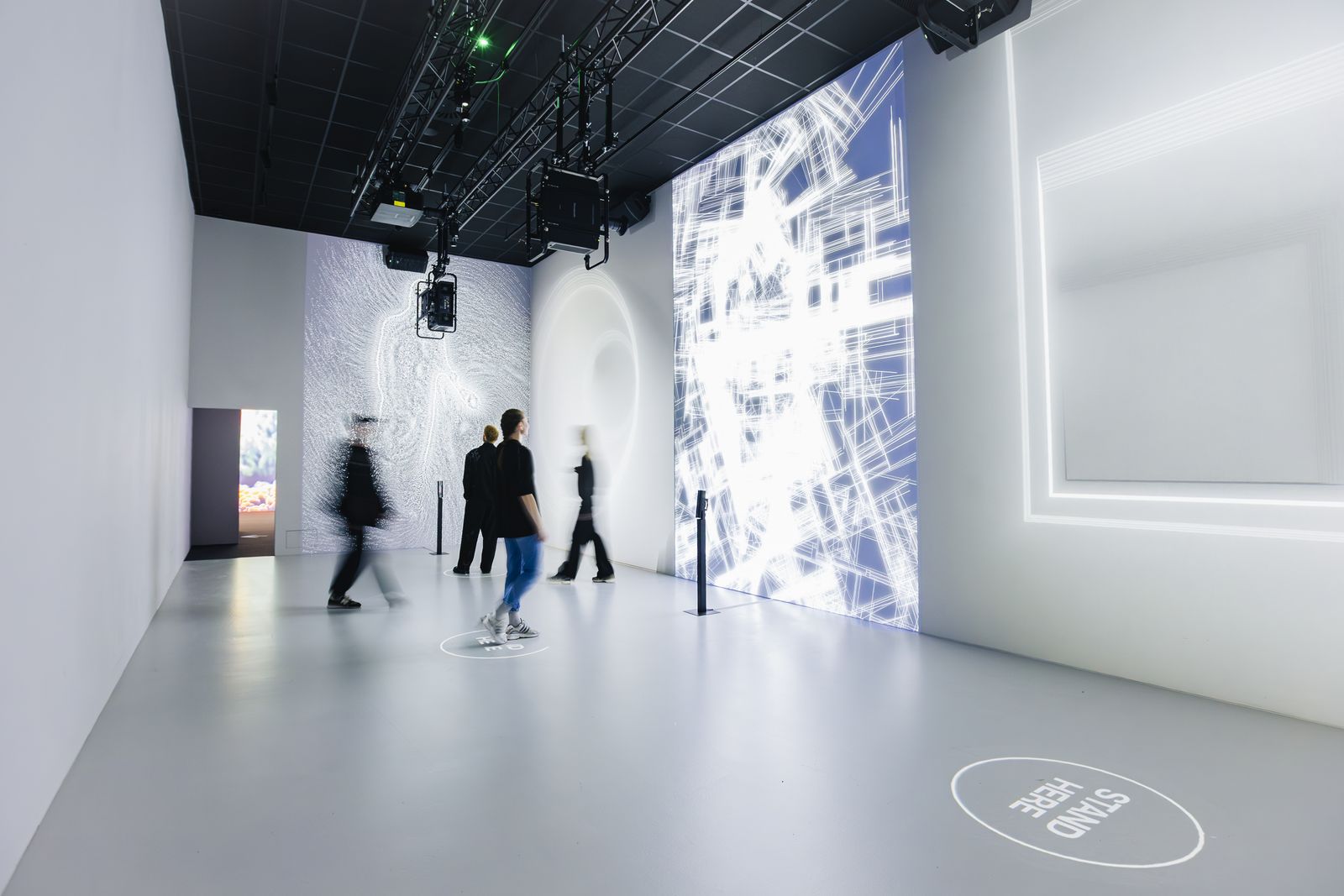
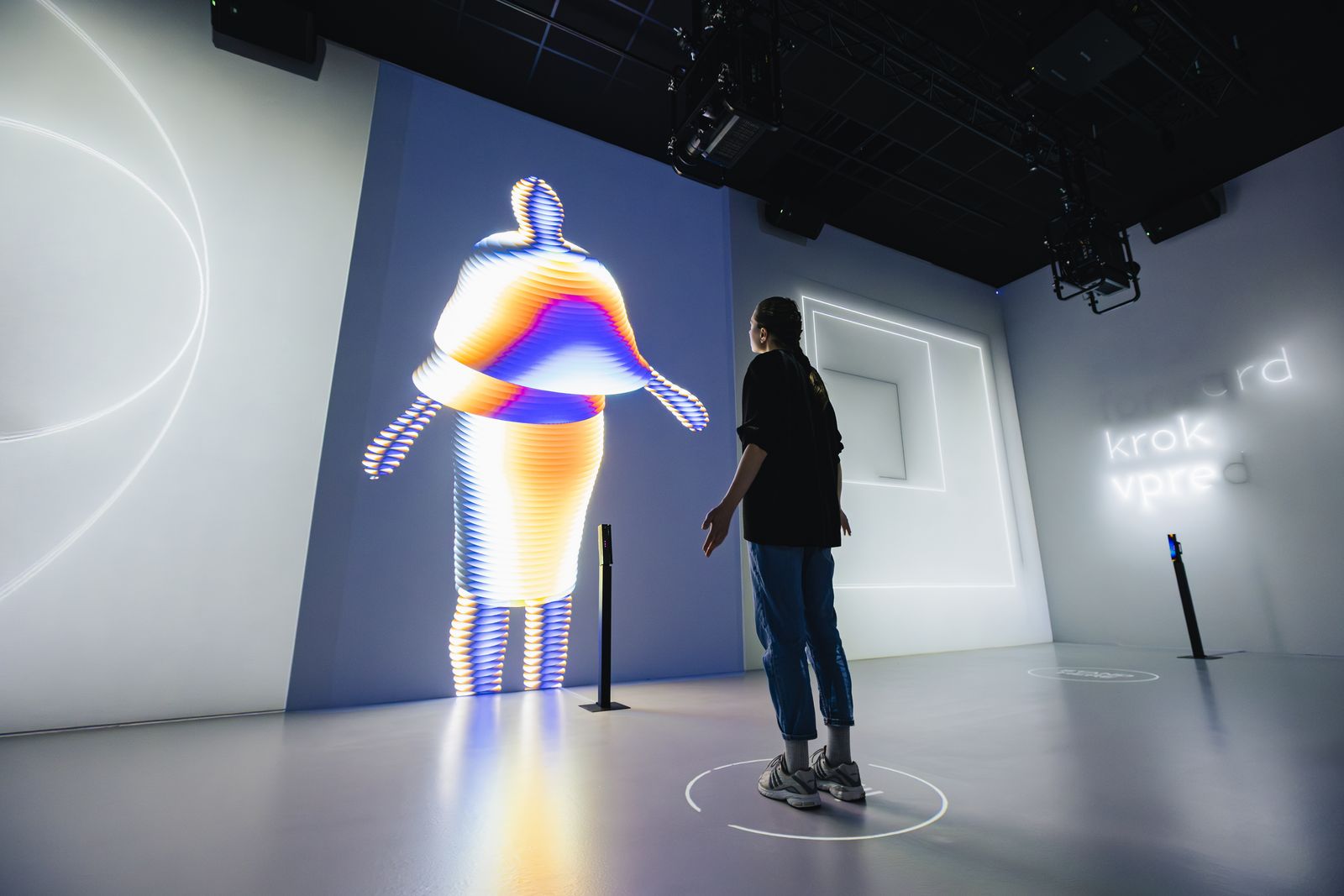
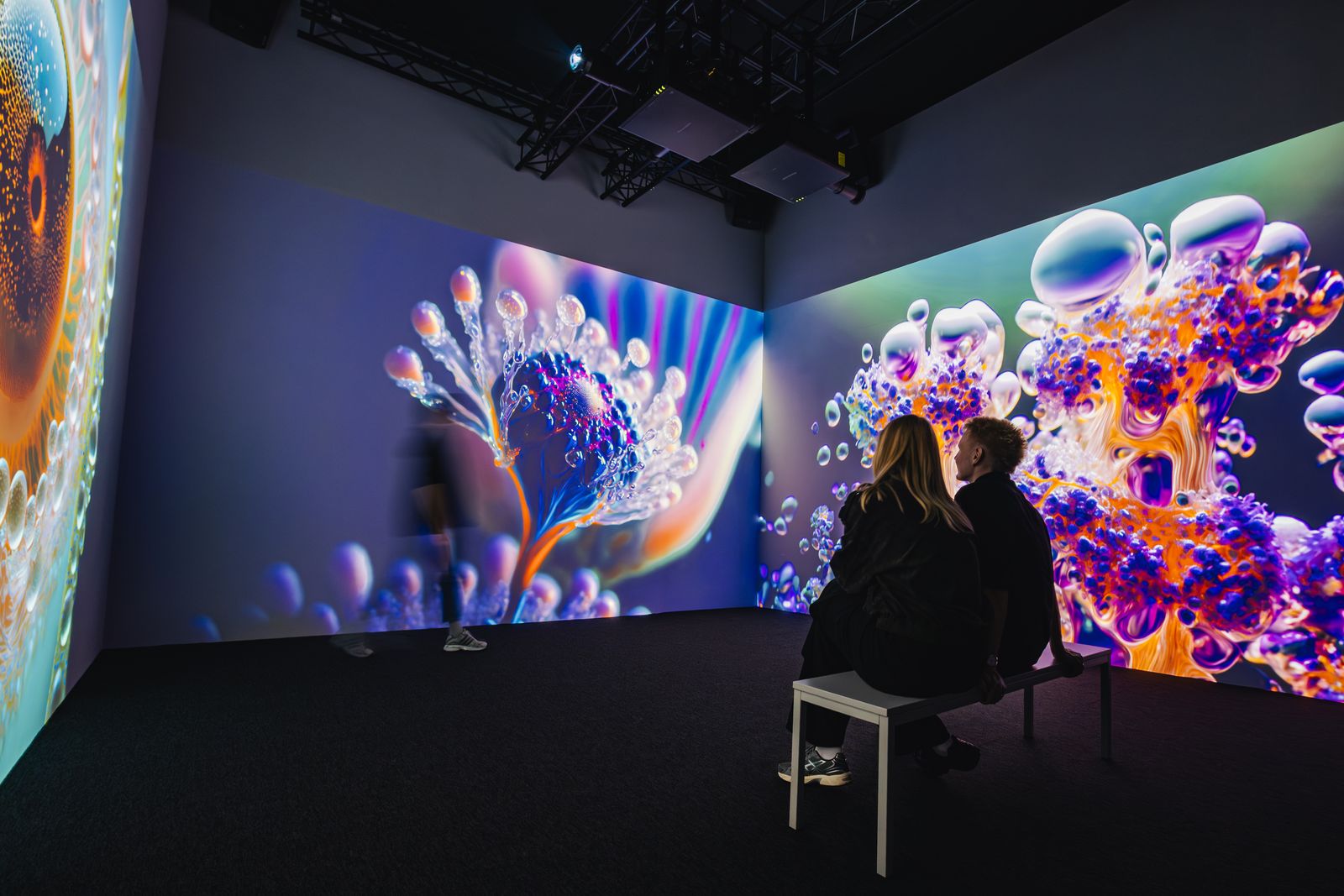
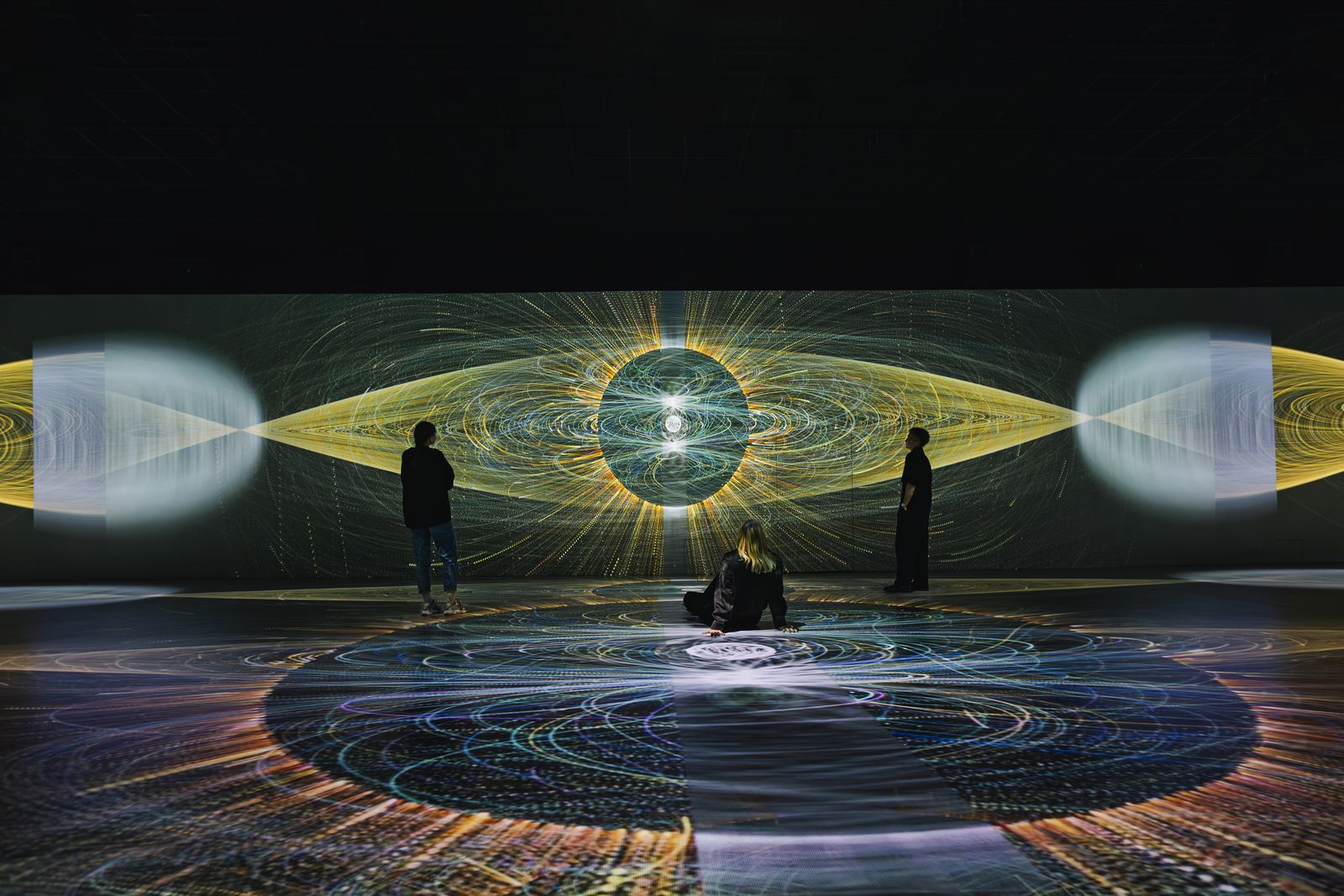
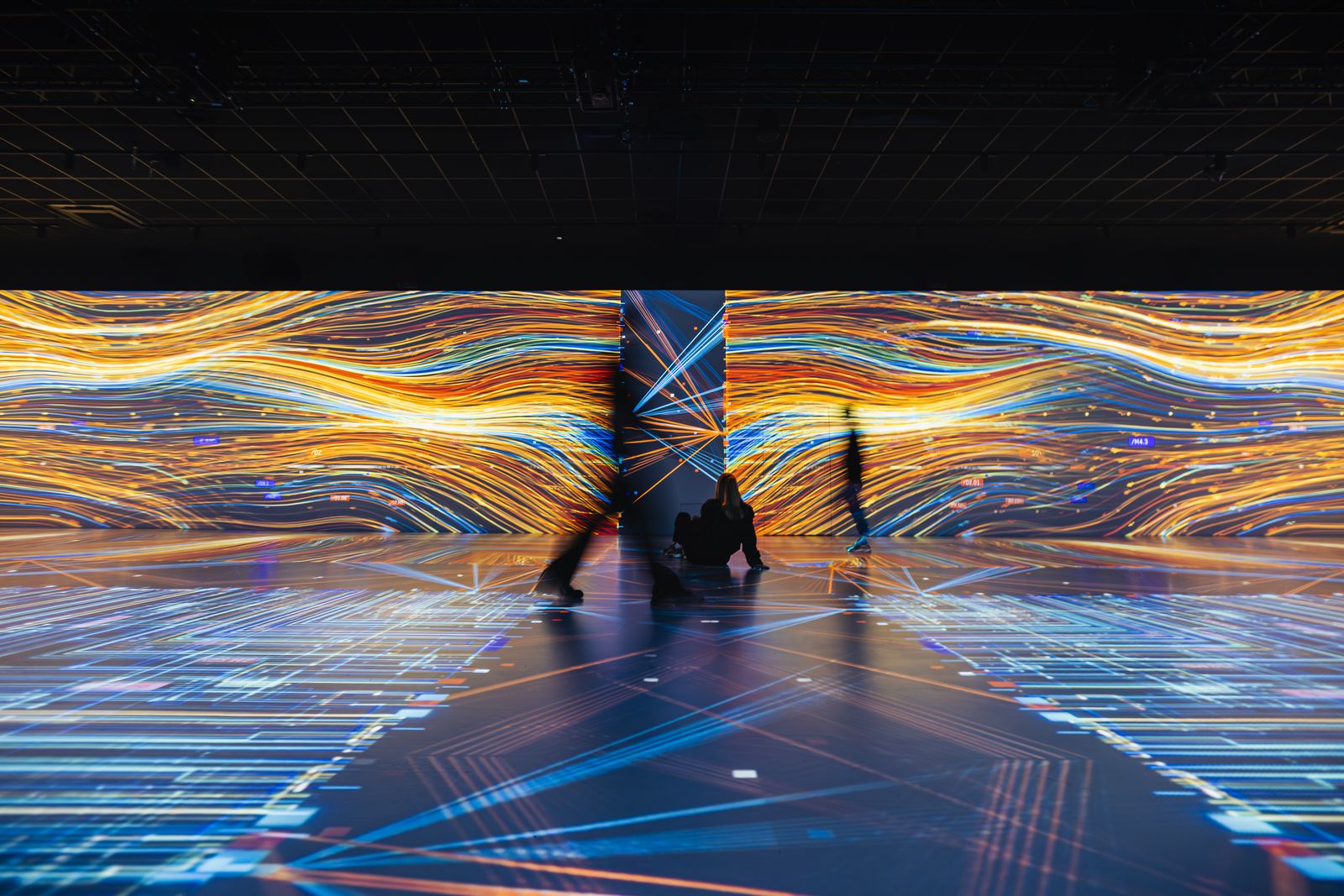
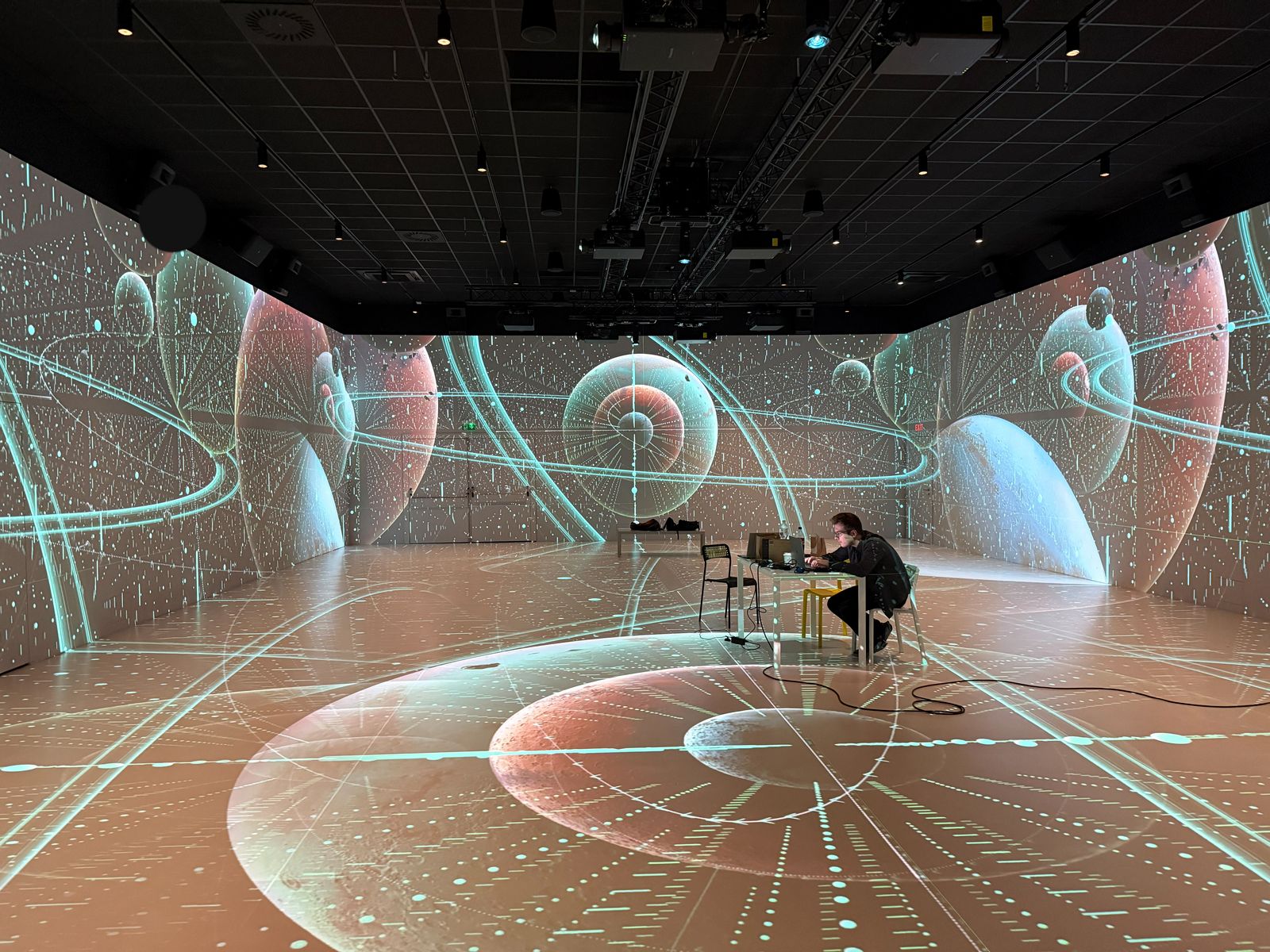
The main immersive hall at Signal Space in Prague wraps imagery across its walls and floor from 19 Panasonic 4K laser projectors, driven by Virtuality.one PixelBox media servers running AV Stumpfl'sPIXERA software. The platform was specified for its 3D mapping and for clustering that keeps all 19 outputs in step as a single canvas. "We recommended PIXERA mainly for its reliability and its 3D mapping," says David Houžvička, chief technology officer, Virtuality.one. "The clustering is straightforward to configure, so a client can run four outputs from a single system, or build a cluster of render engines that keeps all 19 of our 4K projectors perfectly in sync."
Signal Space is the largest digital art gallery in the Czech Republic, a 2,500 square metre venue that opened to the public in September 2025 inside Prague's heritage-protected Old Town Market Hall. It is the year-round successor to Signal Festival, which its founders have run in the city since 2013.
The immersive hall is the largest of its spaces at around 300 square metres and it’s the most technically fixed. Its 19 outputs run at 3,840 by 2,400 at 60 frames per second in 10-bit 4:4:4, which comes to slightly over 175 million pixels across a surface that has to read as one continuous image. What made that surface difficult was not its size.
The Old Town Market Hall was completed in 1896. It’s a cast iron, wood and glass structure built as a working market, and its floor was laid with a deliberate fall so that it could be washed down. It drops around 25 cm from one side to the other. The concrete was also never poured perfectly level, with the result being an area that looks rectangular but is not. Projecting onto it meant mapping a surface that is neither flat nor square, and doing it with ultra-short-throw lenses that introduce barrel distortion of their own.
Calibration began with Panasonic's camera-based automatic system, using networked cameras permanently mounted on the truss alongside the projectors. That got the walls into position, but it could not finish the job.
"The cameras do not point at the floor. And even if they did, automated calibration is not capable of mapping a floor properly," says Houžvička. "The floor itself is uneven, because the concrete was never poured perfectly level, which turns what looks like a rectangular area into an irregular rhombus. And we are not only mapping the floor. We need the projection to be pixel-perfect where it meets the walls, so every slight deviation becomes a challenge. On top of that, we are using ultra-short-throw lenses, which introduce barrel distortion. PIXERA's warping tools are what allowed us to reach a pixel-perfect calibration."
The join between floor and wall is where a 360 degree room is won or lost. A soft-edge blend between two wall projectors forgives a small misalignment. A hard edge running along the base of a wall does not, because the architecture itself gives the eye a straight line to compare the projection against.
Holding that geometry steady across 19 outputs is a question of how the servers are arranged. PixelBox nodes handle the immersive hall as a PIXERA cluster, with rendering distributed across them and a further node held in reserve, each running an RTX 5000 Ada GPU and a Threadripper 7965WX processor. PIXERA's support for NotchLC lets that hardware be used efficiently, and the engine processes both 8-bit and 10-bit video directly on the GPU.
Synchronisation is then enforced in hardware, with framelock and genlock holding the cluster to a common timing reference.
"Without frame sync, we could never hold absolute synchronisation across the cluster, and you would get tearing between the servers," says Houžvička. "That shows during transitions, particularly on the hard-edge joins between the floor and the walls, or between individual walls. Then, when an event is running and cameras are recording the room, we want the cameras and the video chain fully in sync so there are no artefacts on camera. Beyond both of those, we want to do the job as well as it can be done. It would be easy to assume nobody will notice, but that is not a standard we want to work to."
The same system carries the audio. PIXERA plays out and routes the surround sound over Dante alongside the video, with processing handled downstream, which was a deliberate decision rather than a convenience.
"It is crucial that the system handling video playback also handles the audio," says Houžvička. "It simplifies the workflow enormously, as content creators and operators are both working in one piece of software, one pipeline, one workflow. The second reason is synchronisation. A separate audio system means more work and introduces potential sync problems between audio tracks, video tracks and cues. And on a live event, nobody has time to configure two separate systems on site. You need to drag your media onto the timeline, run a quick test, and open the doors."
That matters because the room is not only a gallery. It is used for events, performances and conferences, which means switching between pre-produced immersive content and live inputs, with third-party graphics arriving over SDI as picture-in-picture or over NDI. Houžvička is direct about where the ceiling sits, and it is not in the software. Distributing more than 170 megapixels over NDI while playing 10-bit video and capturing SDI at the same time is the point at which the current GPU and memory configuration is working hard, and a planned upgrade has been deferred on component availability.
Two commercial factors sat alongside the technical case. PIXERA's software-only licensing allowed Virtuality.one to build media servers specified precisely for the project while meeting a fixed budget. And the pool of people able to operate the system is growing, which matters for a venue that has to staff events.
"Thanks to the training sessions and demos we run in the Czech market, the number of qualified operators keeps growing, and PIXERA is slowly becoming the standard for live events here," says Houžvička. "That makes staffing an event significantly easier."
The system has been in service since it was configured in late summer 2025 and has run continuously since, through daily gallery opening hours and live events. It has been shut down once, for a planned week of projector servicing and server maintenance covering mechanical cleaning, component stress testing and an operating system update.
"We have not had a single hardware or software issue all year, and that is with daily operation and live events, so active operator intervention rather than passive playback," says Houžvička. "The software never froze, never crashed and never stopped responding. Unstable software is the most expensive decision you can make, even when the software is free."