AV Stumpfl PIXERA drives responsive LED and projection across Montana Heritage Center
Electrosonic created an AV ecosystem in which sound, light and motion respond to visitor presence, with PIXERA handling large-scale visual playback across custom LED walls and projection surfaces throughout the museum.

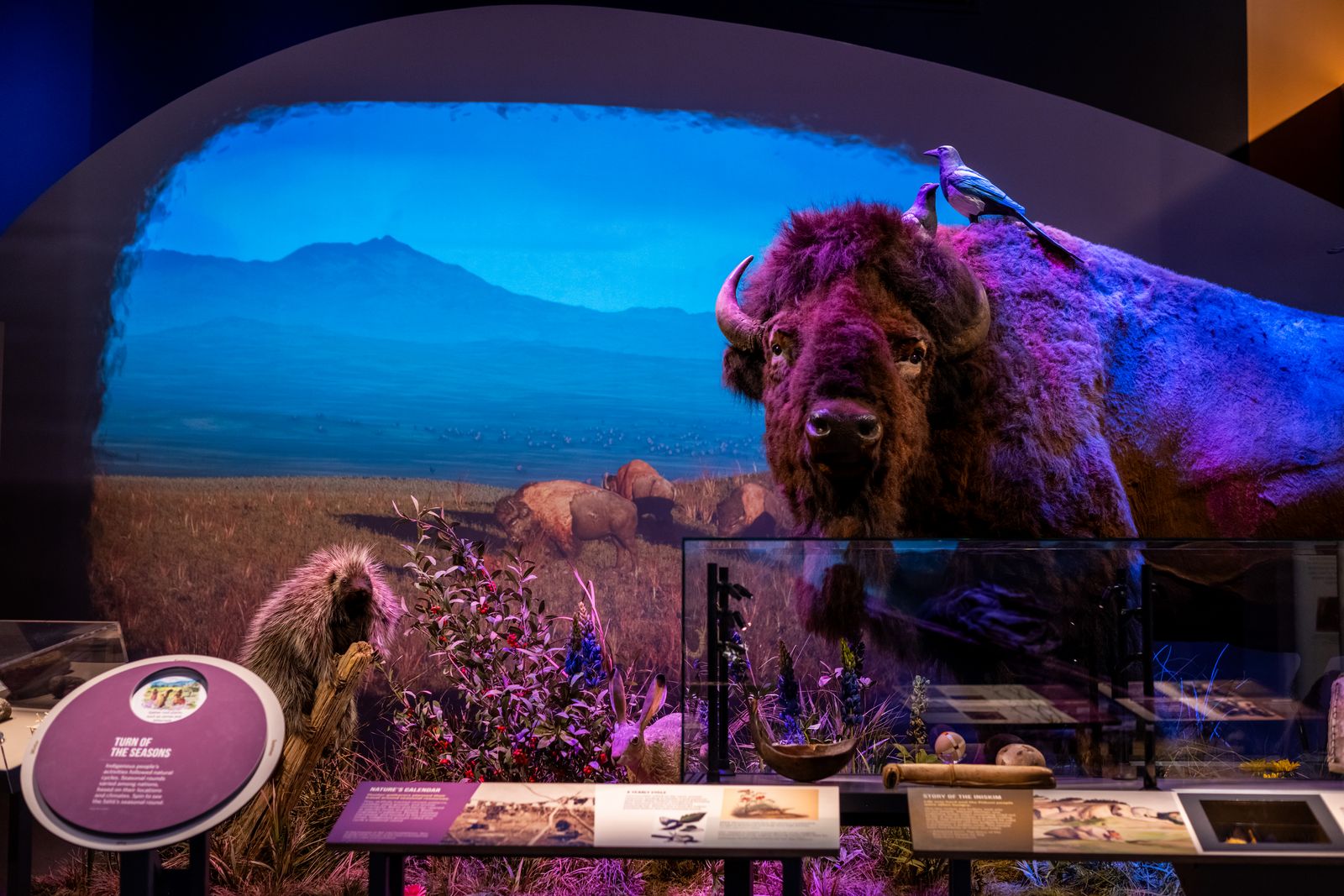
The Montana Heritage Center marked the grand opening of its fully completed building in June 2026 with a five-day Montana History Festival, drawing to a close almost two decades of planning and five years of construction. Across the museum's galleries, AV StumpflPIXERA powers large-scale visual playback on custom LED walls and projection surfaces that carry Montana's story from its earliest peoples to the present day.
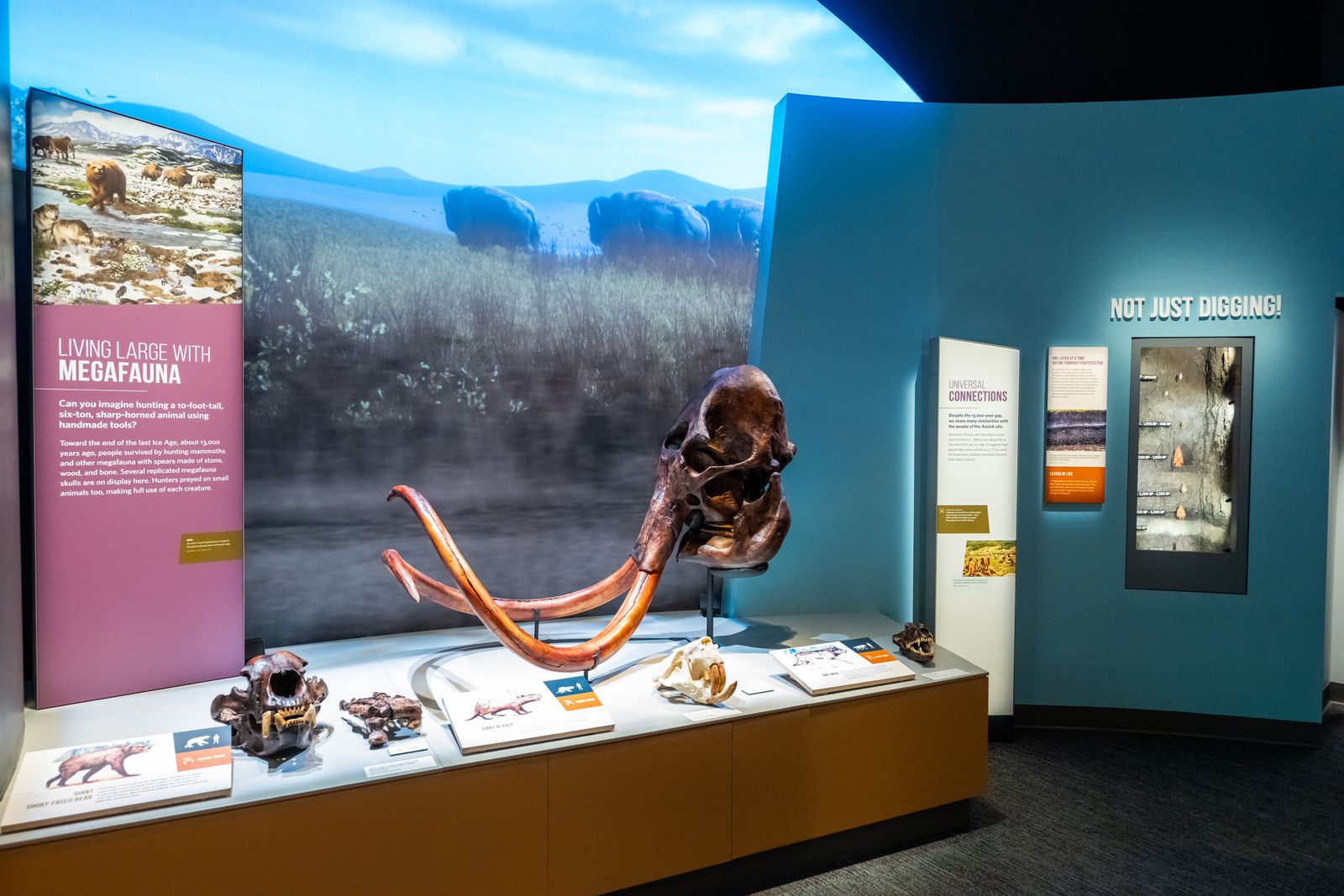
Sitting on North Roberts Street directly opposite the State Capitol, the Montana Heritage Center combines an extensively renovated state history museum with a new building, housing three museum galleries alongside a library, an archival research centre, an events auditorium, a café and the Landscapes Trail. The Homeland Gallery moves through seven time periods spanning the Ice Age to today, with a children's gallery and a Sovereign Nations exhibit. Meanwhile, the Charles M. Russell Gallery is devoted to the cowboy artist, and a 5,000 square foot changing gallery hosts rotating exhibitions from the Montana Historical Society's collections. Admission is free to all visitors.
Electrosonic wasn’t just told to simply install displays. The museum wanted galleries that behave less like rooms containing exhibits and more like environments that notice people are in them, including projection, sound, lighting and motion sensing all coordinated so that stories unfold in response to visitor movement.
"The technology had to stay authentic to Montana rather than announce itself," says Nikhil George, senior project manager, Electrosonic. "A visitor should walk into the mineshaft and feel the floor move or stand in front of the Sovereign Nations wall and hear those names spoken in their own voices. And they should be able to do this without ever thinking about the system that made it happen. Getting to that point is an engineering problem long before it becomes that final experience."
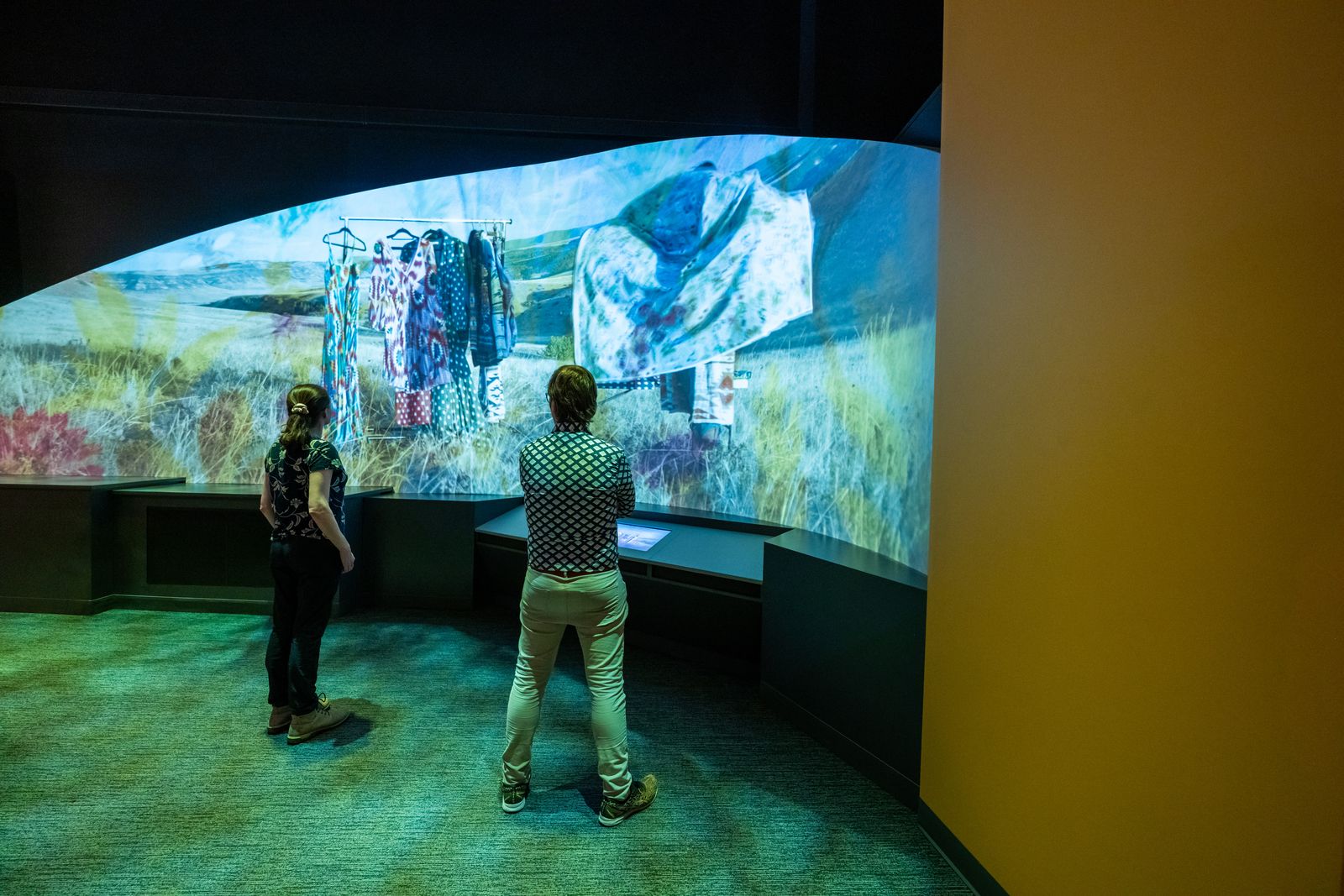
PIXERA sits at the centre of that as the platform driving visual playback across the building. The gallery displays are substantial and varied, ranging from a sweeping curved LED wall to a triangular LED array, multi-surface walls inside a recreated mineshaft, LED pillars and a luminous ceiling, and projection surfaces elsewhere along the way. Very little of that is a flat rectangle, which is a large part of why the platform was specified. PIXERA handles the display processing that makes those surfaces work, mapping content onto irregular LED geometry and managing the blending, warping and masking across the projection surfaces, while keeping all of it in step with audio and lighting that are themselves responding to visitors in real time.
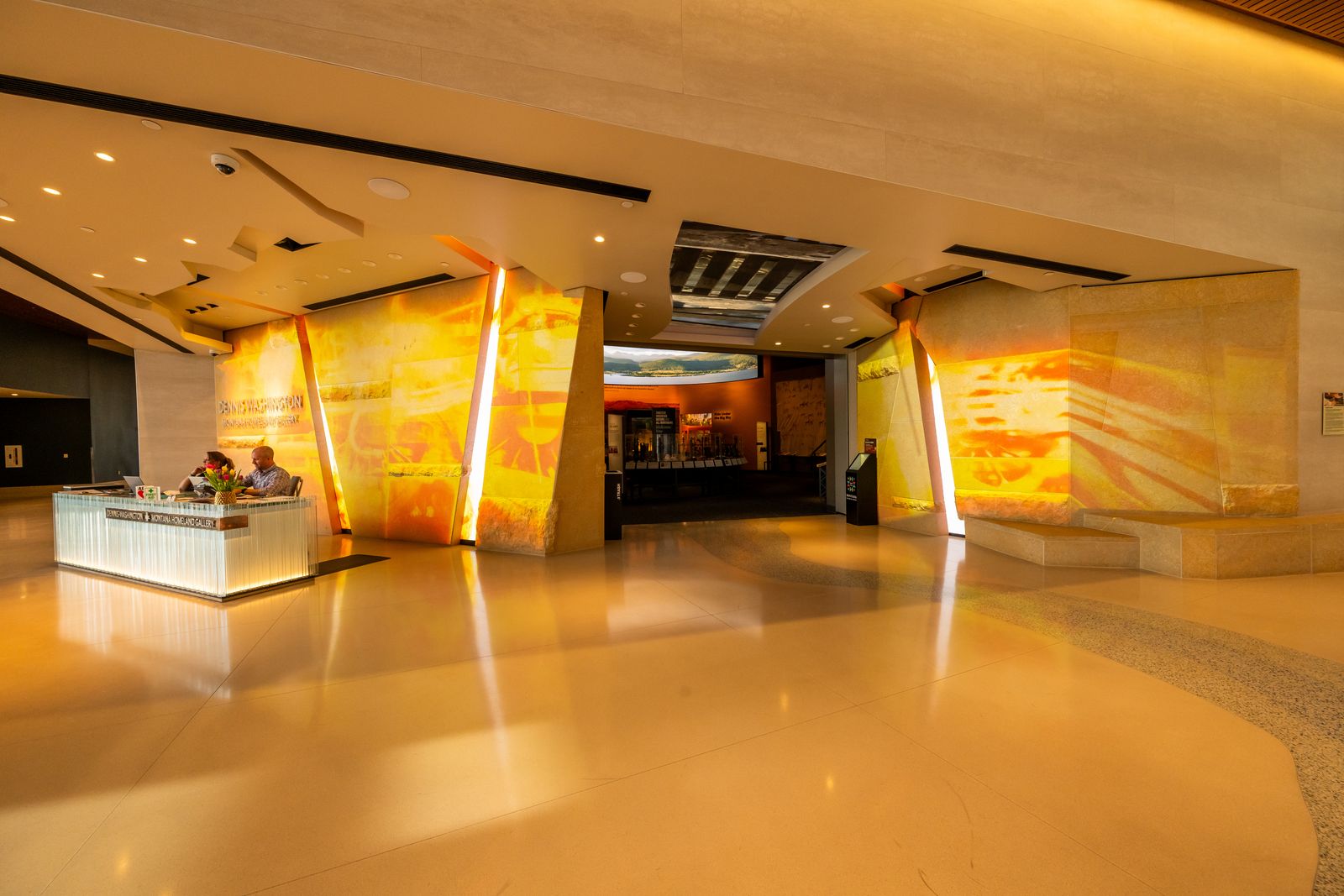
Visitors enter through Washington Way, the gateway to the Homeland Gallery, where LED pillars and a luminous ceiling shift colour and sound as the themes of the exhibition evolve, elevating the entrance into a cinematic passage rather than it remaining a standard lobby. Further in, a triangular LED wall in the Tribes Today exhibit responds as visitors approach, presenting contemporary stories from Montana's sovereign nations through speakers set around a tipi base for even coverage. Elsewhere, motion sensors and touchpoints trigger projected origin stories and scenes of village life inside a tipi, played in sync with sound and lighting.
The Making Montana exhibit carries visitors through the state's history on a sweeping curved LED wall, with visuals moving in step with the gallery's soundscape. The mineshaft is the most physical of the experiences, surrounding visitors with multi-surface LED walls and spatial audio that includes overhead effects, while a dedicated low-frequency path drives tactile transducer channels that simulate a shaking floor. Guests trigger the sequence themselves, with lighting synchronised to the show. In the modern era galleries, a classic car responds with audio when a visitor takes the wheel or touches the trunk, alongside an open-road projection and spatial audio that place them in a moving landscape.
"What makes a building like this complex is not any single exhibit. It’s that so many of them are triggered rather than scheduled," says George. "Visual playback, audio and lighting all have to land together on a cue that a visitor generated by walking into a space. And they have to do it the same way on the last showing of the day as they do during the first. That puts a great deal of weight on the playback platform and on how cleanly it talks to everything around it."
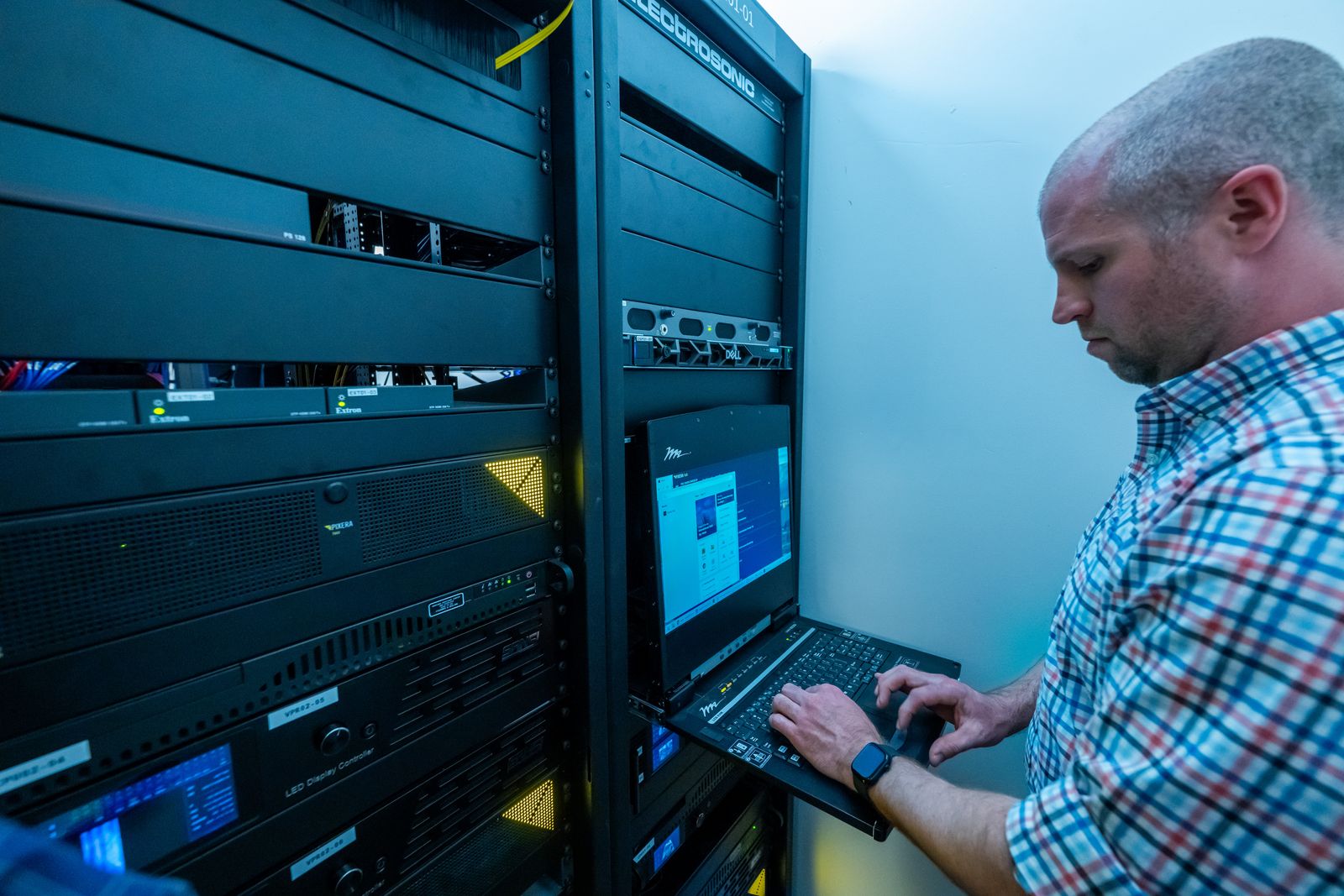
Underneath that, multiple PIXERA playback servers run synchronised to timecode, with genlock and framelock applied where the material demands it, so that video, multichannel audio and lighting cues land together rather than approximately together. The platform integrates with Q-SYS and the museum’s wider show control system, which is what allows a sensor trigger in one gallery to produce a coordinated response across several disciplines at once.
Electrosonic has been candid that the delivery of this project was demanding in ways that had little to do with the technology itself. Coordination logistics, shifting timelines, changing costs and decisions spanning multiple teams all had to be worked through before the exhibits could come together, and the outcome rested on communication as much as on engineering.
The architecture was also built with the museum's longer life in mind. A scalable control architecture and networked media management mean exhibits can be refreshed and evolved without the underlying infrastructure being rebuilt. That matters in an institution with a 5,000 square foot gallery given over to rotating exhibitions and a mandate to keep bringing new material out of its collections.
"A museum is not a show that closes," says George. "Content will change, exhibitions will rotate, and the people running the building in ten years will not be the people who commissioned it. So, you design the media infrastructure to be handed over, not just delivered. That is what lets Montana's stories keep growing with new generations rather than being fixed in place on opening day."