46 Meters of Projection Surface, 50 Layers, and Real-Time Adjustments right up to the premiere: PIXERA at the Tiroler Festspiele Erl
How PIXERA Supported the Video Design Workflow for Richard Wagner’s The Flying Dutchman.
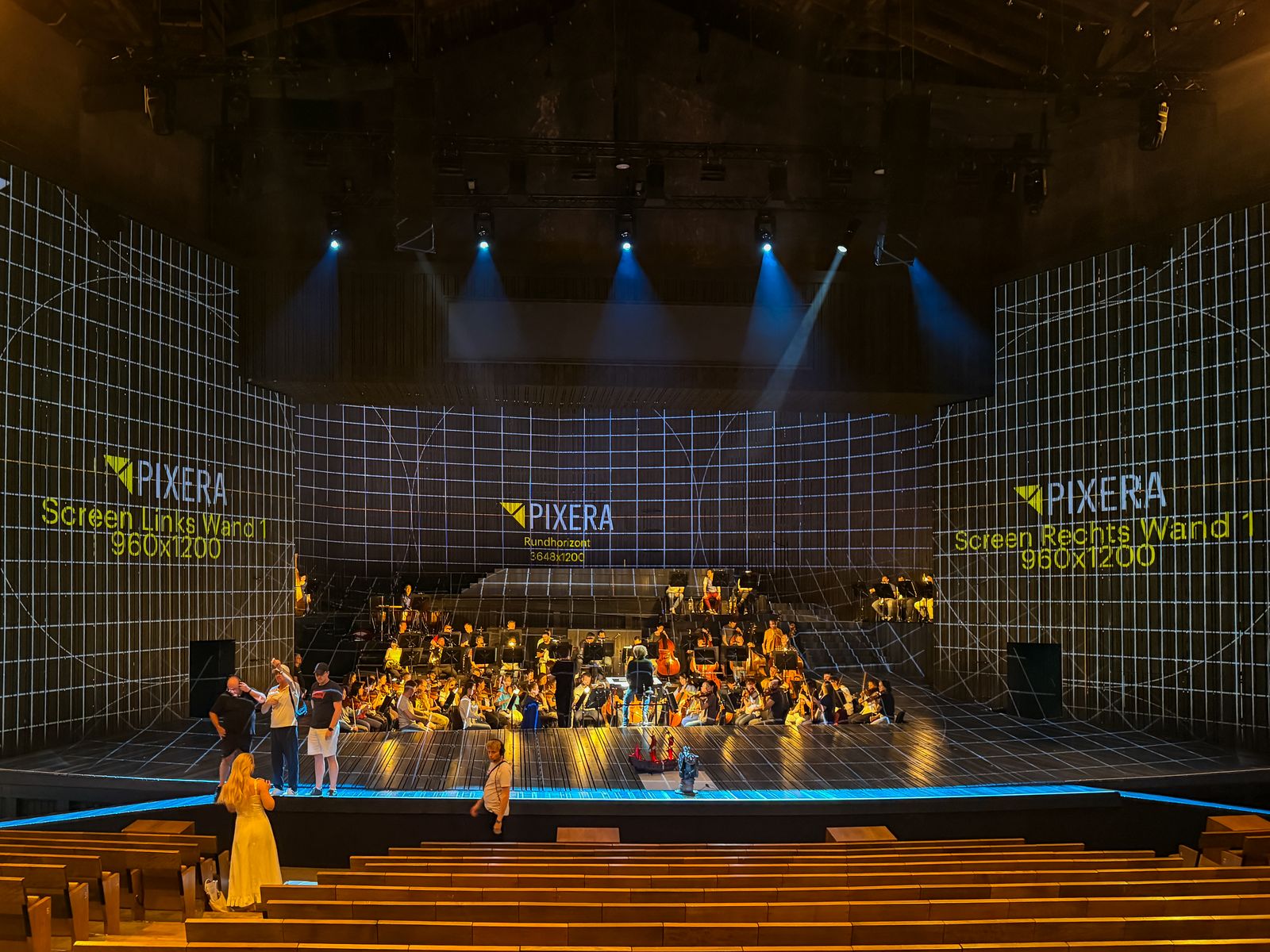
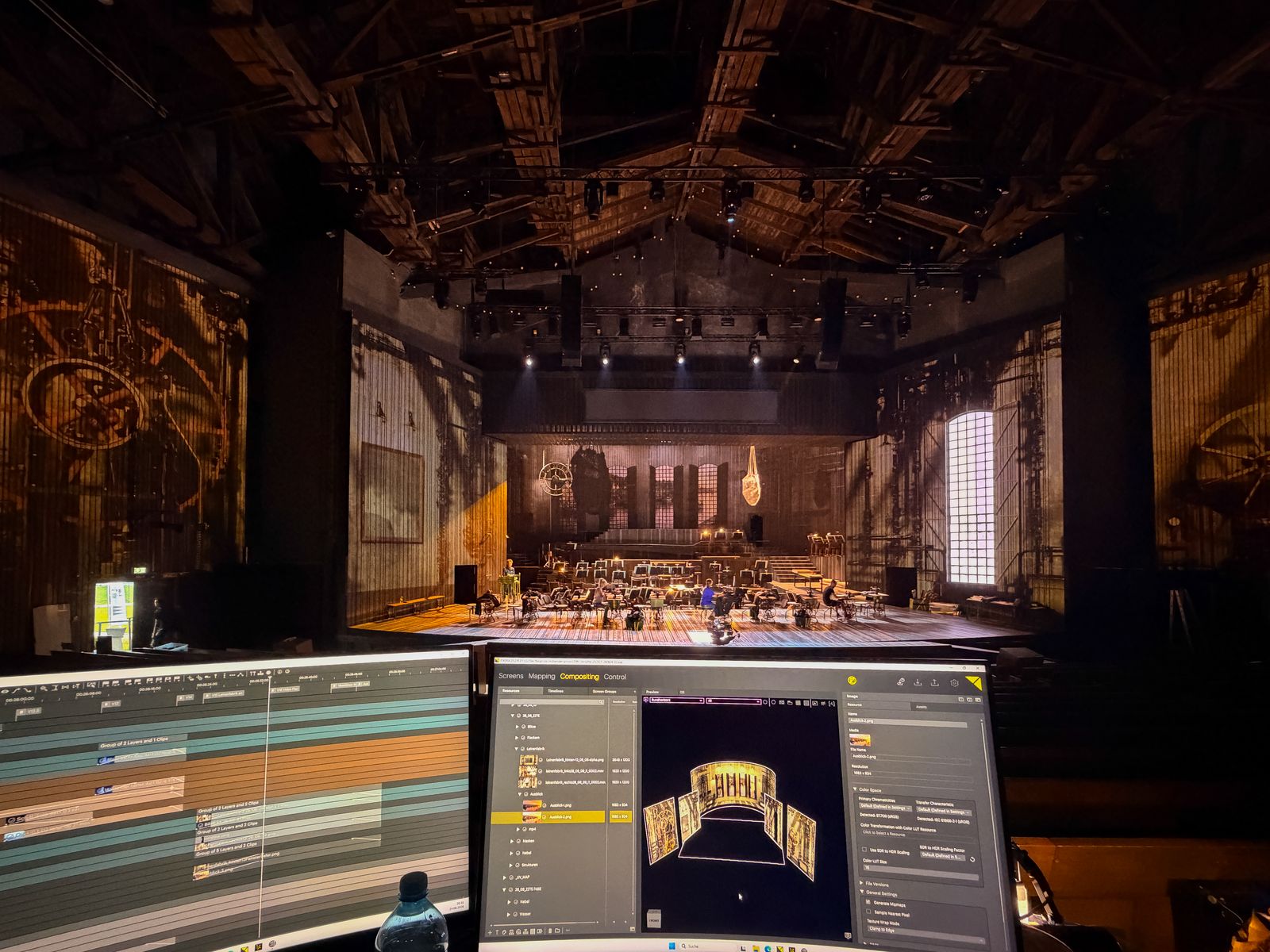
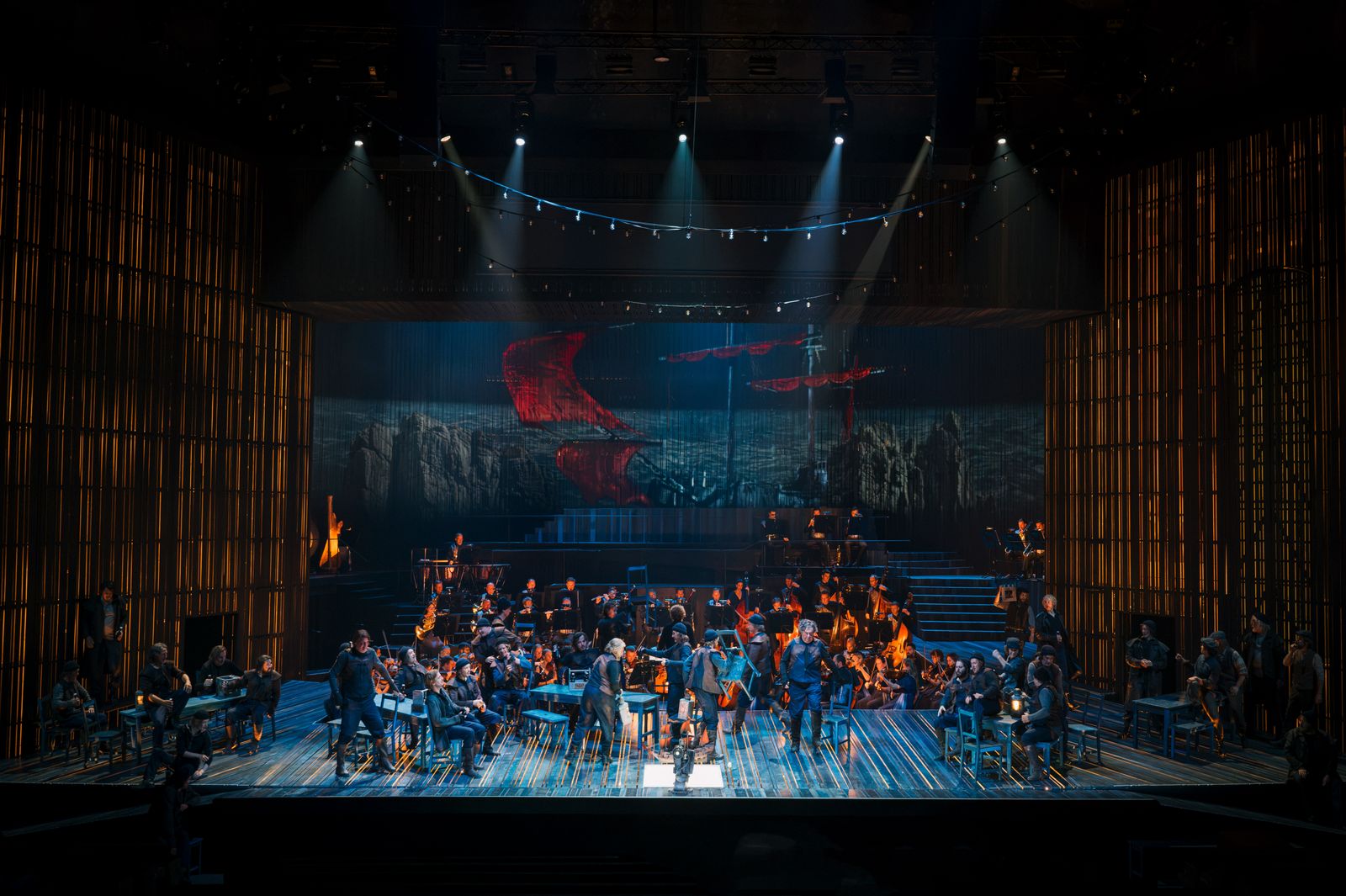
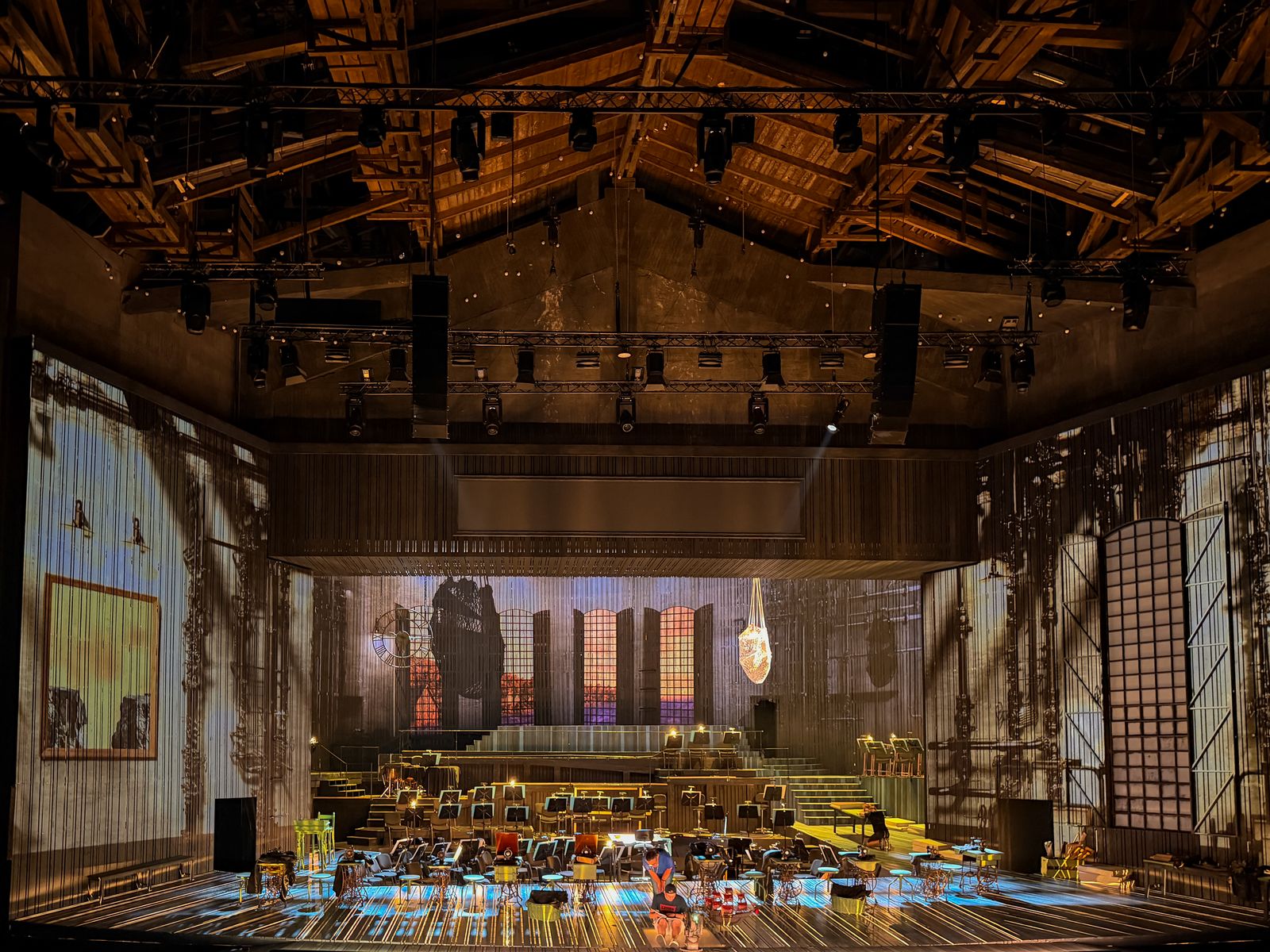
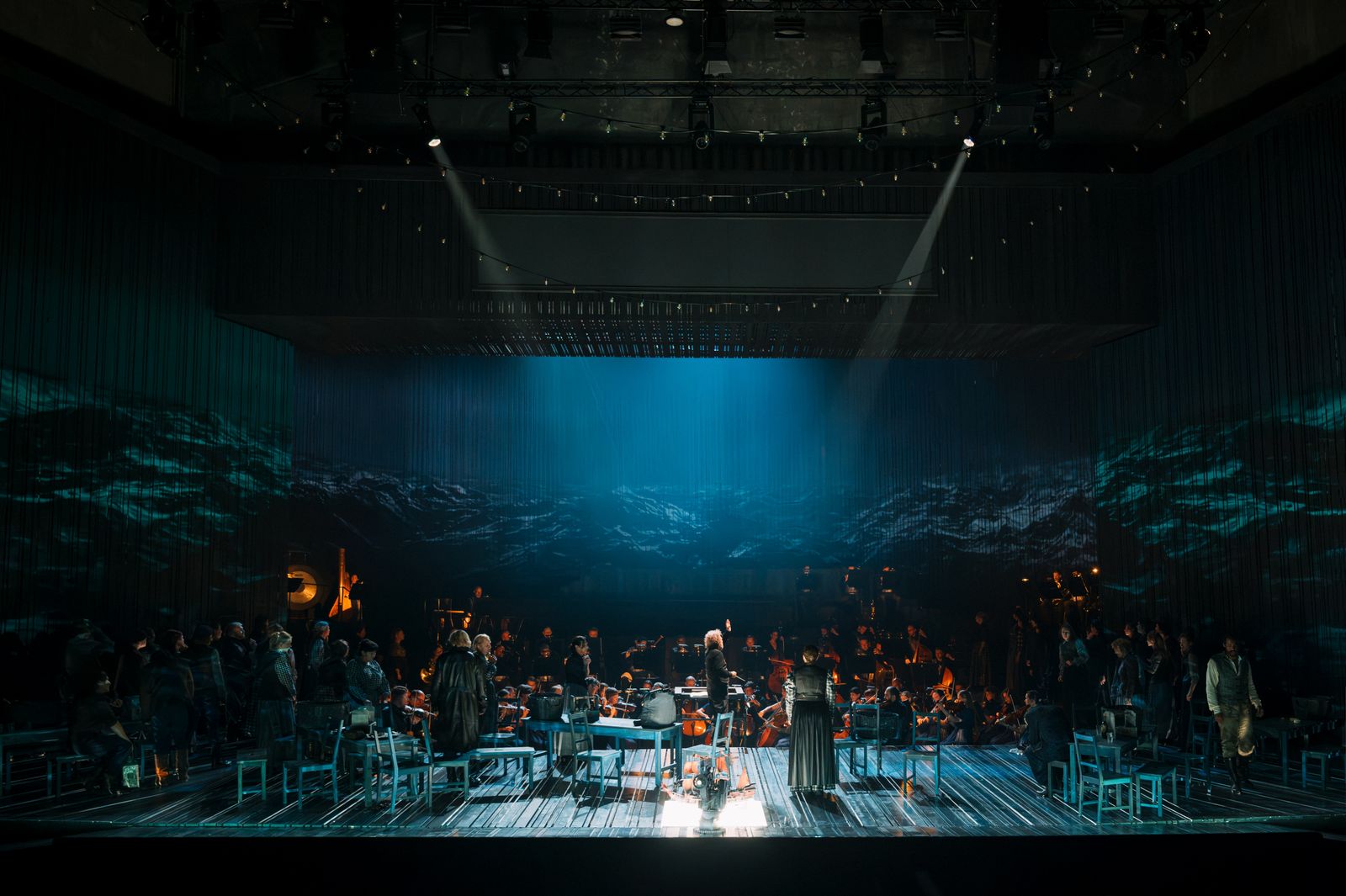
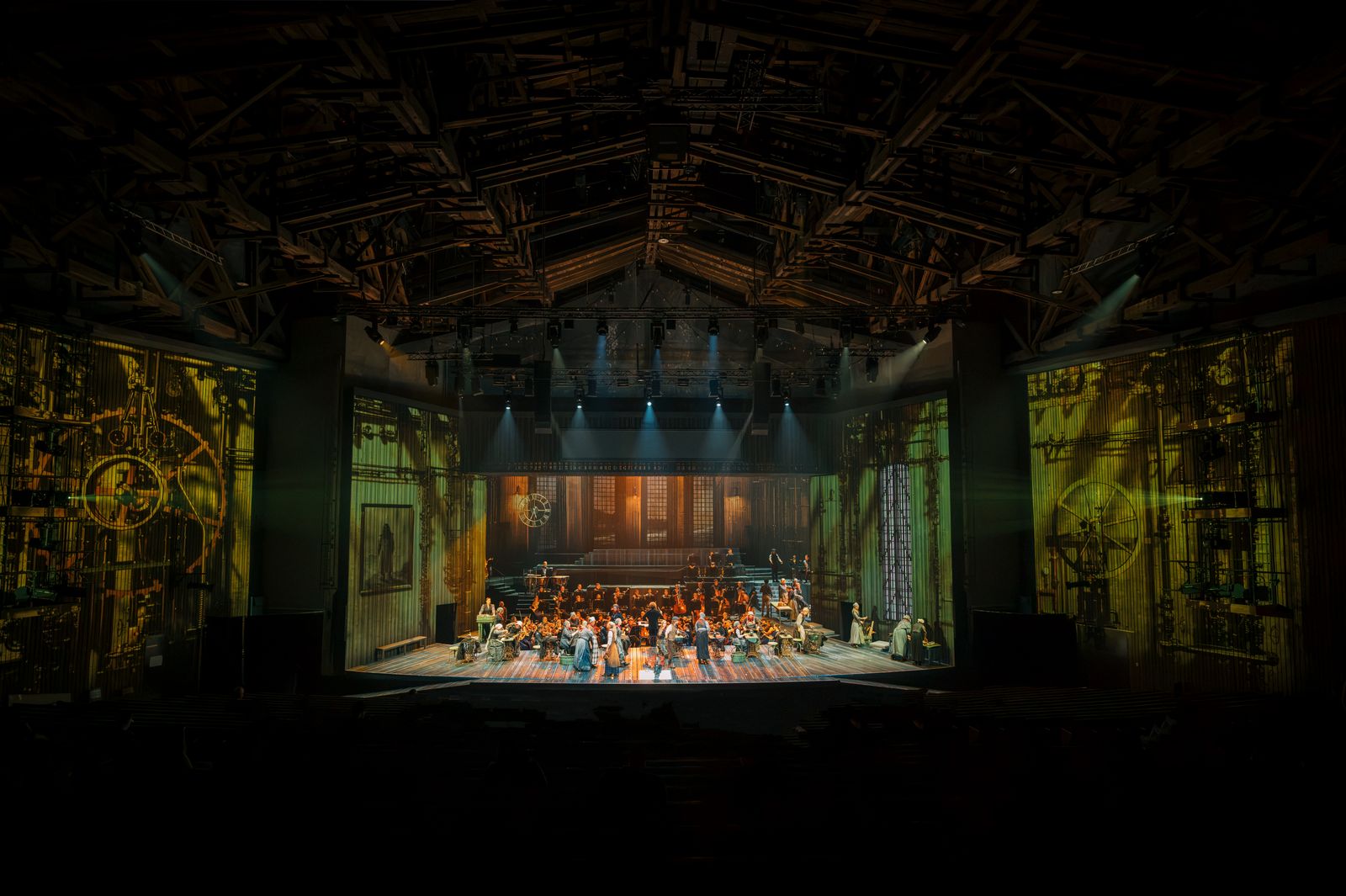
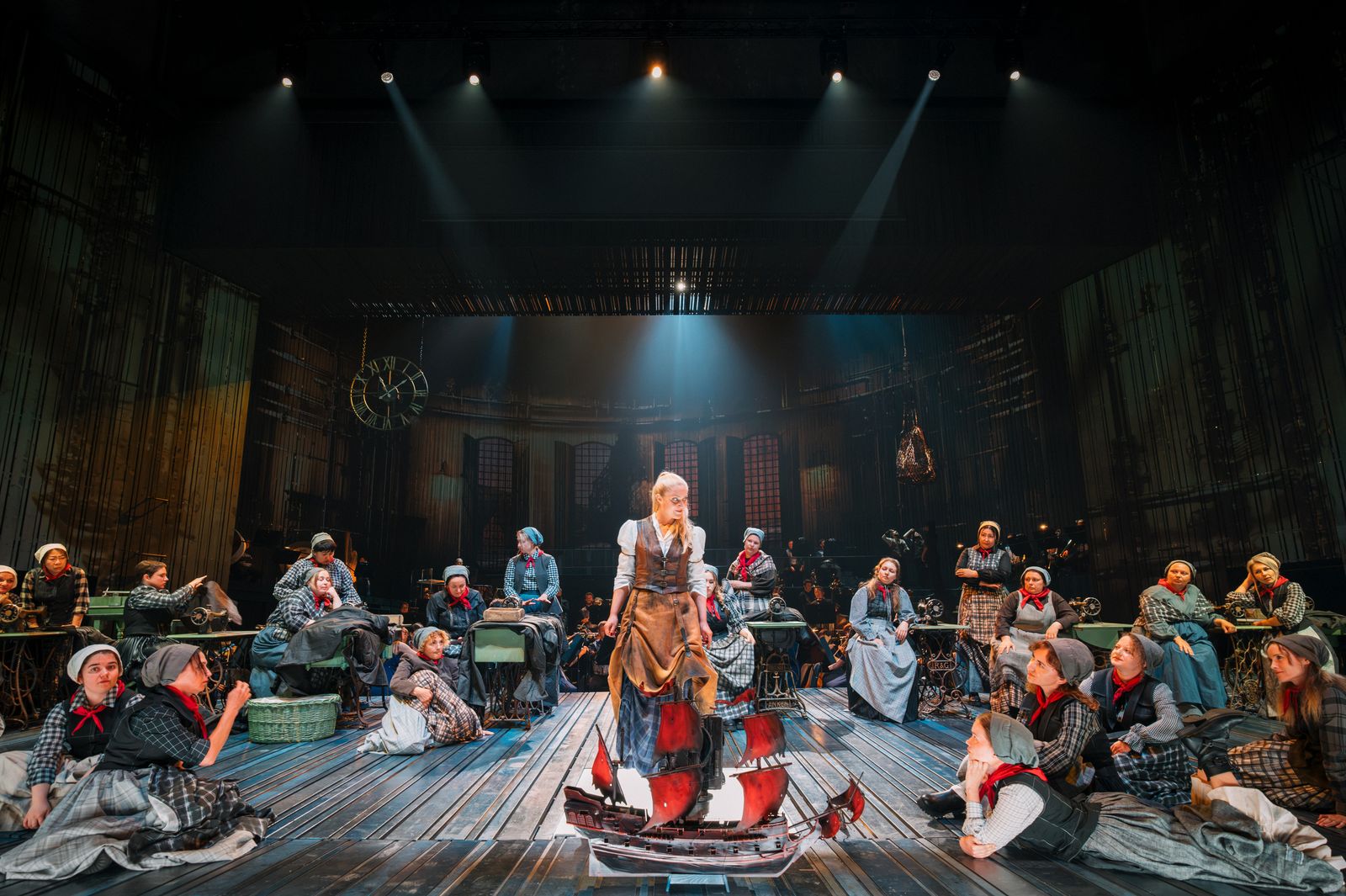
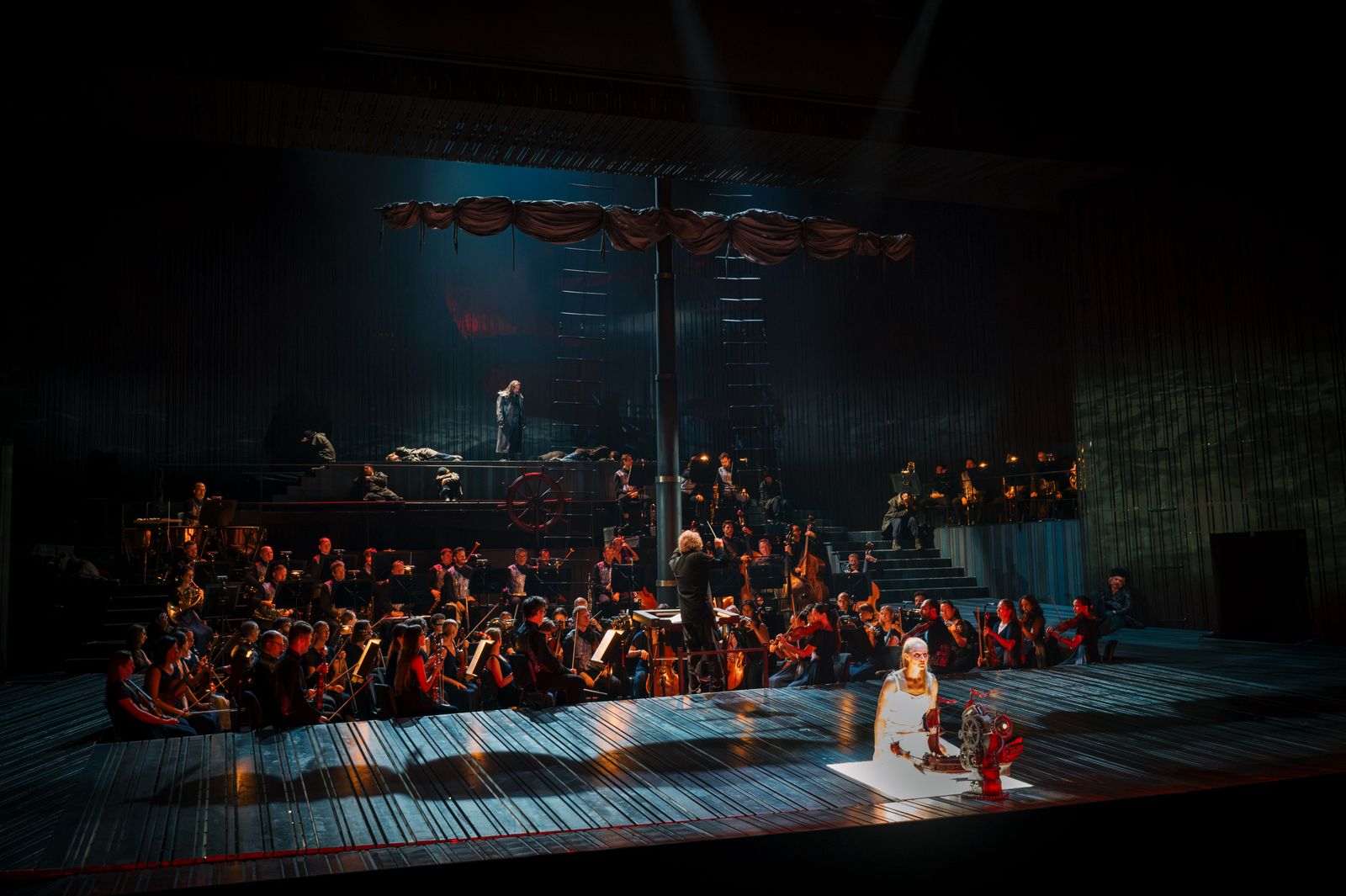
For the new production of Richard Wagner’s The Flying Dutchman at the Tiroler Festspiele Erl, Meike Ebert, Christian Gasteiger, and Raphael Kurig developed the video design under the direction of Josef E. Köpplinger. Once again, PIXERA served as the central media server platform, enabling a highly flexible workflow from pre-visualisation through to the final performance.
The Passionsspielhaus Erl is one of Europe’s most distinctive performance venues. Its monumental architecture resembles a vast cathedral, providing an impressive setting for large-scale visual storytelling. At the same time, the stage has comparatively little traditional stage technology: there is neither a turntable nor lifting platforms nor moving tracks. As a result, video projection plays an essential role in shaping the various space and atmospheres.
One of the greatest technical challenges of the project was the circular horizon, which was around 46 metres wide. Contrary to what its shape might suggest, it is not symmetrical but tapers on one side. Two Digital Projection 47K and two Digital Projection 27K projectors were used for the projection, some of which projected from the forestage into the auditorium to achieve the necessary brightness and a uniform image for the exceptionally large stage area.
To implement the system, the team relied on a redundant setup comprising two PIXERA two servers, backed up via a Lightware matrix. This ensured uninterrupted operation during rehearsals and performances. A key challenge was the circular backdrop, approximately 47 metres wide, which was projected seamlessly across two projectors using PIXERA’s soft-edge functions. The show itself comprised around 50 layers, structured into several groups. This made it possible to implement two different projection set-ups within a single project: on the one hand, a continuous piece of content approximately 8K wide, stretching from the left-hand side of the auditorium across the entire circular horizon to the right-hand side of the auditorium; on the other hand, separate control of the two side surfaces and the horizon. The layer grouping feature in PIXERA proved particularly valuable for efficiently managing and controlling this complex content structure.
During the preparation phase, the entire stage was imported into PIXERA as a 3D model, creating an accurate digital representation of the venue. This allowed the creative team to evaluate projection surfaces, sightlines, and playback options in advance, while also determining how content would be perceived from different positions within the spacious auditorium.
PIXERA also played an essential role in the final creative refinements. On almost every level, several effects were used simultaneously, including Multiply Colour, Black & White Colour, Cropping, Negative and Add Colour. The ability to create effect palettes and distribute them automatically across numerous layers significantly accelerated show programming and simplified later adjustments during rehearsals. In addition, the team used PIXERA’s live input capabilities to view Unreal Engine content directly within the production environment, enabling immediate evaluation of different visual approaches on stage.
However, PIXERA’s greatest strength became apparent during rehearsals. Many of the production’s key visual moments only emerged through the interaction of music, direction, lighting, and stage design. Rather than having to re-render and re-import content after every change, adjustments could be implemented immediately on site. Whether adding a subtle reflection to the waves, refining color tones, or introducing delicate moonlight effects on the water, creative ideas could be tested, evaluated, and further developed in real time. This approach not only streamlined technical workflows but also opened up new creative possibilities for the creative team. In this production, PIXERA became far more than just a playback system. It became an active part of the creative development process.
“Productions like this clearly demonstrate what a difference PIXERA makes to the creative process. Many important details only emerge during rehearsals. In the past, that meant going back to the computer, adjusting the content, rendering again, and importing everything. Today, we can try out a lot of things directly on site and refine them together. For me, a media server has therefore long been more than just a playback system. It is a creative tool for video design.” - Raphael Kurig, Video Designer and Co-Founder of WE ARE VIDEO
From the very beginning, the creative team was also supported by a dedicated technical team of the Tiroler Festspiele Erl: Thomas Bodner (Technical Production Manager), Sebastian Corts (Head of Lighting & Video), and Mirko Blank (Video Technician) worked alongside their colleagues to ensure the technical realisation of the production. Initial planning discussions began in the summer of 2025 - a year later, the project celebrated a successful premiere.